
Best of Iceland
Encounter a world of untamed beauty as you discover Iceland’s adventurous landscapes and rich cultural heritage. Travel the stunning Golden Circle and visit Thingvellir National Park, Geysir thermal field, and the awe-inspiring Gullfoss waterfall. Interact with friendly Icelandic horses. Go whale watching in Skjálfandi Bay with specialized RIB Zodiac boats. Savor Icelandic delicacies during a visit to a local goat farm. Ascend the Langjökull glacier in a super truck surrounded by uninterrupted mountain scenery. Take a dip in the famous Sky Lagoon. From ethereal lava fields to thundering waterfalls and coastal villages, this tour reveals the island’s dramatic contrasts.
Encounter a world of untamed beauty as you discover Iceland’s adventurous landscapes and rich cultural heritage. Travel the stunning Golden Circle and visit Thingvellir National Park, Geysir thermal field, and the awe-inspiring Gullfoss waterfall. Interact with friendly Icelandic horses. Go whale watching in Skjálfandi Bay with specialized RIB Zodiac boats. Savor Icelandic delicacies during a visit to a local goat farm. Ascend the Langjökull glacier in a super truck surrounded by uninterrupted mountain scenery. Take a dip in the famous Sky Lagoon. From ethereal lava fields to thundering waterfalls and coastal villages, this tour reveals the island’s dramatic contrasts.
Highlights
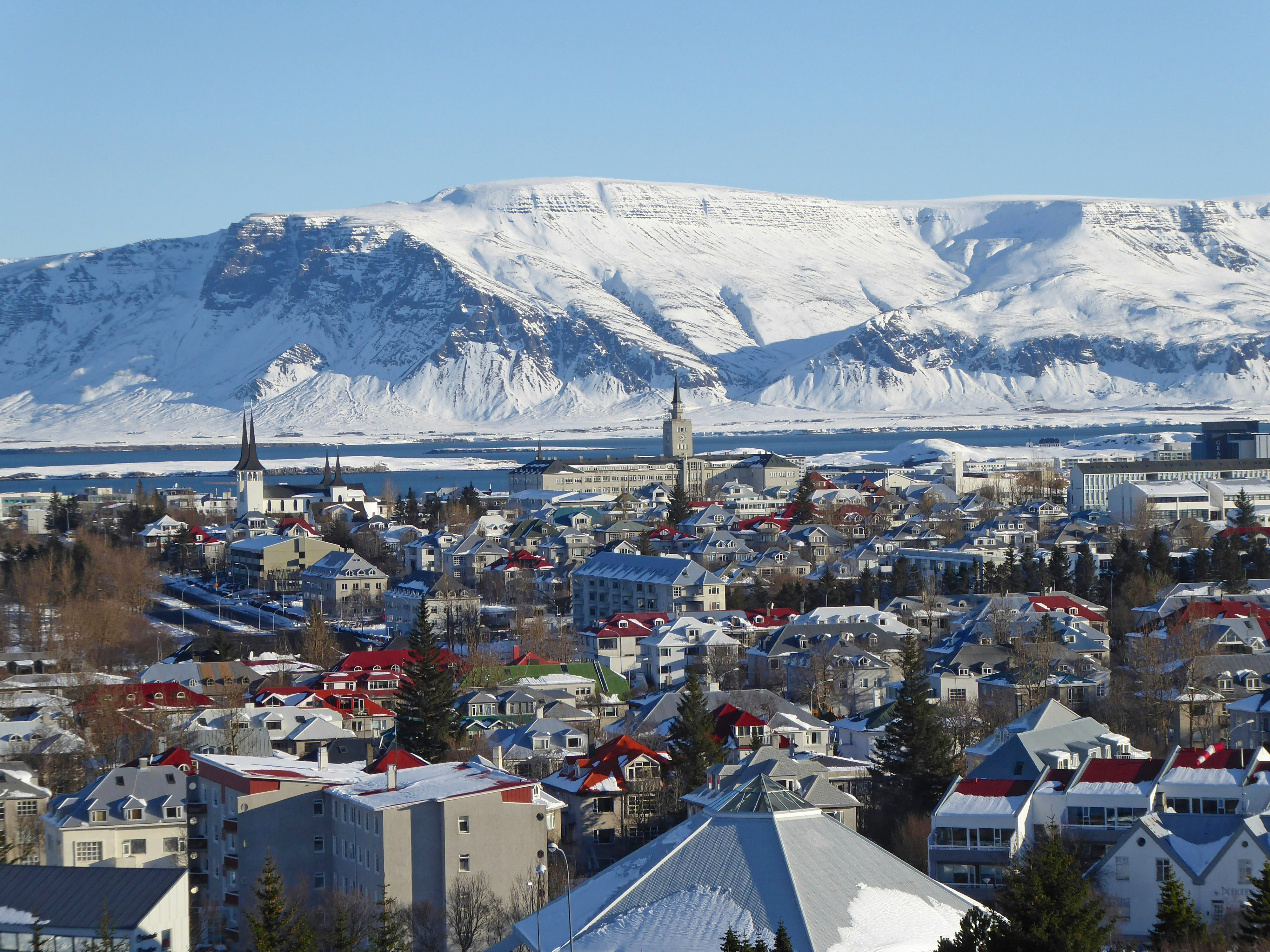
- Located in southwestern Iceland, the capital and largest city of Iceland is said to be the location of the first permanent settlement. It is believed that the city was established around AD 870. Until the 18th century, there was no urban development, but the city was founded in 1786 as an official trading town and grew steadily over the next decades. Soon Reykjavík became the national center of commerce, population, and governmental activities. The city is rated among the cleanest, greenest, and safest cities in the world.
- The Golden Circle is the most popular tourist route from Reykjavík in South Iceland. Two main stops on the route are Thingvellir National Park and Gullfoss Waterfall (Golden Falls). The route covers about 300 kilometers looping from Reykjavík into central Iceland and back.
- Around 930, the Althing general assembly was established in Thingvellir. A law passed in 1928 protecting the area, which shall remain the property of the Icelandic nation under the preservation of the Althing. Thingvellir National Park was officially founded in 1930, marking the 1,000th anniversary of the Althing. In 2004, the park became a World Heritage Site. Throughout the park, travelers can visit the many hiking trails.
- One of the most popular tourist attractions in Iceland is Gullfoss, an incredible waterfall located in the canyon of Hvita river in southwest Iceland. As one first approaches the falls, the crevice is obscured from view, so that it appears that a mighty river magically vanishes into the earth. The falls offer a spectacular view of the forces and beauty of the untouched nature in Iceland. On a sunny day, a rainbow can be seen over the falls. In 1907, Gullfoss was owned by a local farmer, who was approached by an Englishman who wanted to buy it to produce electricity. Although the farmer declined the Englishman’s generous offer, he leased it to him. After the farmer’s passing, his daughter went to great lengths to save Gullfoss to stop construction that would damage it. She is often called Iceland’s first environmentalist. In 1979, Gullfoss was designated as a nature preserve and permanently protected for the public to enjoy.
- Lake Mývatn is the place to be to see an exceptionally large number of waterbirds. Thirteen species of duck nest here as well as many rare birds, but that’s not all there is to see! Lake Myvatn is a microcosm of all the natural wonders of Iceland such as sulphur springs, Krafla Caldera, nature baths, and incredible rock formations.
- Today in Lake Mývatn, it's your choice! Dip into the warm water and steam of the Lake Mývatn Nature Baths; the pools are naturally heated and frequently used by Icelanders and visitors alike -OR- hike through Dimmuborgir and pass by irregular lava formations and mystical caves that insire your imagination. Lake Mývatn Nature Baths - NEO Day 3 Activity Level: 2 The water temperature is in the range of 96.8 to 104F. Dimmuborgir Hike - NEO Day 3 Activity Level: 3 Tour Manager can decide on the spot and determine the pace based on the actual walking abilities of the group. The hike lasts approximately 45 minutes.
- Húsavík is considered to be the “whale capital of Iceland” and is located along the coast of Skjálfandi Bay. According to legend, this was the first place in Iceland to be settled by the Norse. Take in the city’s vibrant houses and quaint harbor.
- Húsavík is considered one of the best places to see many different kinds of whales. Pilot whales, Bottlenose, Sperm, Minke, Humpbacks, Sei, Fin, and Blue whales can all be seen on an exciting whale watching boat excursion. There’s nothing quite like seeing these gentle giants just a short distance away.
- Sitting on the north coast under snowcapped mountains at the beginning of Iceland’s longest fjord, Akureyri is a low-key city that provides the perfect place from which to explore the country’s gorgeous landscapes and incredible natural wonders.
- Snæfellsnes Peninsula is situated in western Iceland and has been named "Iceland in Miniature" because many national sights can be found in the area, including the Snæfellsjökull volcano. The bodies of water surrounding the peninsula include the Atlantic Ocean, Faxafloi Bay, and Breiðafjörður. The Snæfellsnes Peninsula is known for its natural beauty where mountains, lava fields, and water can be seen all around.
- Experience an Impact Moment with a visit to Jóhanna’s goat farm. Here, she has helped to bring this unique breed, dating back to the time of Iceland’s settlement, back from the brink of extinction.
Hotels
- Hotel Centrum — Reykjavik
- Fosshotel — Husavik
- Laugarbakki Hotel — Laugarbakki
- Icelandair Hotel Hamar — Borgarnes
- Hotel Centrum — Reykjavik
Details
- Tour Operator
- Collette
- Start City
- Reykjavik
- End City
- Reykjavik
- Duration (Days)
- 10
- Activity Level
- Level 4
What's Included
- 16 meals included
- Inter-tour flights included
- Located in southwestern Iceland, the capital and largest city of Iceland is said to be the location of the first permanent settlement. It is believed that the city was established around AD 870. Until the 18th century, there was no urban development, but the city was founded in 1786 as an official trading town and grew steadily over the next decades. Soon Reykjavík became the national center of commerce, population, and governmental activities. The city is rated among the cleanest, greenest, and safest cities in the world.
- The Golden Circle is the most popular tourist route from Reykjavík in South Iceland. Two main stops on the route are Thingvellir National Park and Gullfoss Waterfall (Golden Falls). The route covers about 300 kilometers looping from Reykjavík into central Iceland and back.
- Around 930, the Althing general assembly was established in Thingvellir. A law passed in 1928 protecting the area, which shall remain the property of the Icelandic nation under the preservation of the Althing. Thingvellir National Park was officially founded in 1930, marking the 1,000th anniversary of the Althing. In 2004, the park became a World Heritage Site. Throughout the park, travelers can visit the many hiking trails.
- One of the most popular tourist attractions in Iceland is Gullfoss, an incredible waterfall located in the canyon of Hvita river in southwest Iceland. As one first approaches the falls, the crevice is obscured from view, so that it appears that a mighty river magically vanishes into the earth. The falls offer a spectacular view of the forces and beauty of the untouched nature in Iceland. On a sunny day, a rainbow can be seen over the falls. In 1907, Gullfoss was owned by a local farmer, who was approached by an Englishman who wanted to buy it to produce electricity. Although the farmer declined the Englishman’s generous offer, he leased it to him. After the farmer’s passing, his daughter went to great lengths to save Gullfoss to stop construction that would damage it. She is often called Iceland’s first environmentalist. In 1979, Gullfoss was designated as a nature preserve and permanently protected for the public to enjoy.
- Lake Mývatn is the place to be to see an exceptionally large number of waterbirds. Thirteen species of duck nest here as well as many rare birds, but that’s not all there is to see! Lake Myvatn is a microcosm of all the natural wonders of Iceland such as sulphur springs, Krafla Caldera, nature baths, and incredible rock formations.
- Today in Lake Mývatn, it's your choice! Dip into the warm water and steam of the Lake Mývatn Nature Baths; the pools are naturally heated and frequently used by Icelanders and visitors alike -OR- hike through Dimmuborgir and pass by irregular lava formations and mystical caves that insire your imagination. Lake Mývatn Nature Baths - NEO Day 3 Activity Level: 2 The water temperature is in the range of 96.8 to 104F. Dimmuborgir Hike - NEO Day 3 Activity Level: 3 Tour Manager can decide on the spot and determine the pace based on the actual walking abilities of the group. The hike lasts approximately 45 minutes.
- Húsavík is considered to be the “whale capital of Iceland” and is located along the coast of Skjálfandi Bay. According to legend, this was the first place in Iceland to be settled by the Norse. Take in the city’s vibrant houses and quaint harbor.
- Húsavík is considered one of the best places to see many different kinds of whales. Pilot whales, Bottlenose, Sperm, Minke, Humpbacks, Sei, Fin, and Blue whales can all be seen on an exciting whale watching boat excursion. There’s nothing quite like seeing these gentle giants just a short distance away.
- Sitting on the north coast under snowcapped mountains at the beginning of Iceland’s longest fjord, Akureyri is a low-key city that provides the perfect place from which to explore the country’s gorgeous landscapes and incredible natural wonders.
- Snæfellsnes Peninsula is situated in western Iceland and has been named "Iceland in Miniature" because many national sights can be found in the area, including the Snæfellsjökull volcano. The bodies of water surrounding the peninsula include the Atlantic Ocean, Faxafloi Bay, and Breiðafjörður. The Snæfellsnes Peninsula is known for its natural beauty where mountains, lava fields, and water can be seen all around.
- Experience an Impact Moment with a visit to Jóhanna’s goat farm. Here, she has helped to bring this unique breed, dating back to the time of Iceland’s settlement, back from the brink of extinction.
Pricing
| Option | Price | Departure | Return |
|---|---|---|---|
| Double | USD 5,949.00 | 2026-05-15 | |
| Single | USD 7,199.00 | 2026-05-15 | |
| Triple | USD 5,849.00 | 2026-05-15 |
Itinerary
-
Day 1: Overnight Flight
You’re on your way to Iceland, a land forged by fire and ice, where adventurous landscapes give way to a rich cultural heritage. Discover the dramatic contrasts: from ethereal lava fields and thundering waterfalls to charming coastal villages.
-
Day 2: Reykjavík, Iceland
Discover culture and history in Reykjavík – Iceland’s capital. Explore the old section on a walking tour featuring the Parliament, harbor, city hall, and the city’s oldest building. Gaze up at the famous glass façade of the Harpa Concert Hall, a true marvel of modern architecture. Tonight, gather with your fellow travelers and experience the freshness of Icelandic food at a local restaurant.
-
Day 3: Reykjavík - Golden Circle - Reykjavík
Travel the Golden Circle to see Iceland's most iconic natural wonders, including the Mid-Atlantic Ridge in Thingvellir National Park where you can walk between two continents. Learn how locals use Iceland’s geothermal energy to cook food and taste “lava bread,” which is submerged into the earth and cooked for 24 hours. Continue along the Golden Circle and take in the beauty of the Gullfoss (Golden Falls) double-cascade waterfall before visiting the explosive Strokkur fountain geyser. Return to Reykjavík for an evening on your own.
-
Day 4: Reykjavík - Lake Mývatn - Húsavík
This morning, fly* to Akureyri and take in the unique volcanic landscape that surrounds Lake Mývatn. You will have a chance to explore the Hverir geothermal area, where bubbling mud pools resemble a Martian terrain. Next, it’s your choice! Dip into the warm water and steam of the Lake Mývatn Nature Baths, frequented by Icelanders and visitors alike -OR- hike through Dimmuborgir and pass by irregular lava formations and mystical caves that inspire your imagination. End your day in Husavik, one of the first settlements on the island.
-
Day 5: Húsavík - Whale Watching - Grenjaðarstaður - Húsavík
Gear up in thermal wear to join expert whale watchers on a cruise on Skjálfandi Bay. Aboard specialized Zodiacs, you’ll get as close as you can to whales in northern Iceland. You may see humpback, minke, fin or harbor porpoise, and possibly the orca or giant blue whales that frequent these waters. After free time for lunch, travel to Grenjaðarstaður where you will visit and learn about the traditional Icelandic turf settlement homes. Return to Húsavík in the late afternoon, where the remainder of the day is yours, or perhaps, join your Tour Manager for an evening walk.
-
Day 6: Husavik - Goðafoss - Akureyri - Laugarbakki
En route to Akureyri, stop at one of Iceland's most historic waterfalls, Goðafoss, where Iceland was converted to Christianity in A.D. 1000. Enjoy time at leisure in Akureyri to explore Iceland’s second largest city. Perhaps you’ll peruse its botanical garden, a public park positioned just 30 miles south of the Arctic Circle and dedicated to finding and testing foreign plants to grow in Iceland. Next, head to the scenic Norðurland Vestra region, famous for its horse breeding. On a family-owned farm, grab your camera for a photo tour of the stables and interact with these friendly animals and their care takers. Later this afternoon, travel to the village of Laugarbakki for an overnight stay.
-
Day 7: Laugarbakki - Langjökull Glacier - Borgarnes
This morning, journey inland to Húsafell and look out at the misty waterfalls cascading over lava rocks. Then, experience an Impact Moment with a visit to Jóhanna’s goat farm. Here, she has helped to bring this unique breed, dating back to the time of Iceland’s settlement, back from the brink of extinction. After visiting with the friendly goats, enjoy a simple meal of homemade specialties from the farm. Then, bundle up and ascend Langjökull glacier** via mountain truck and go “Into the Glacier” to experience the purest blue ice color in this man-made tunnel, the world’s largest.*** End the day in Borgarnes, your home for the next 2 nights.
-
Day 8: Borgarnes - Snæfellsnes Peninsula - Borgarnes
This morning, journey to the Snæfellsnes Peninsula, with its camera-ready black sand beaches, mountain peaks, volcanic craters, rocky coastlines, and tiny fishing villages. Connect with the local culture during a visit to Iceland’s only museum dedicated to the century-old tradition of catching and preserving the Greenland shark. See the exhibits on its history, along with the family’s fishing boats and processing tools, including an astounding array of shark fishing equipment. You’ll also have the chance to taste hákarl – cured shark meat, as well as enjoy a lunch spread at a local bistro.
-
Day 9: Borgarnes - Reykjavík
Visit the Settlement Museum and dive into the origins of Icelandic heritage, including the works of the famous Viking poet Egill Skallagrímsson. Drive to the Reykjanes Peninsula, home to scenic geothermal Sky Lagoon.**** Experience the Icelandic culture with the tradition of geothermal bathing. Take a dip in the warm, mineral-rich waters and enjoy sweeping ocean views. Come together this evening for a farewell dinner at a restaurant featuring Icelandic cuisine.
-
Day 10: Reykjavík - Tour Ends
Head home having uncovered Iceland’s adventurous side.