
Iceland’s Midnight Sun: Glaciers, Geysers, and the Golden Circle
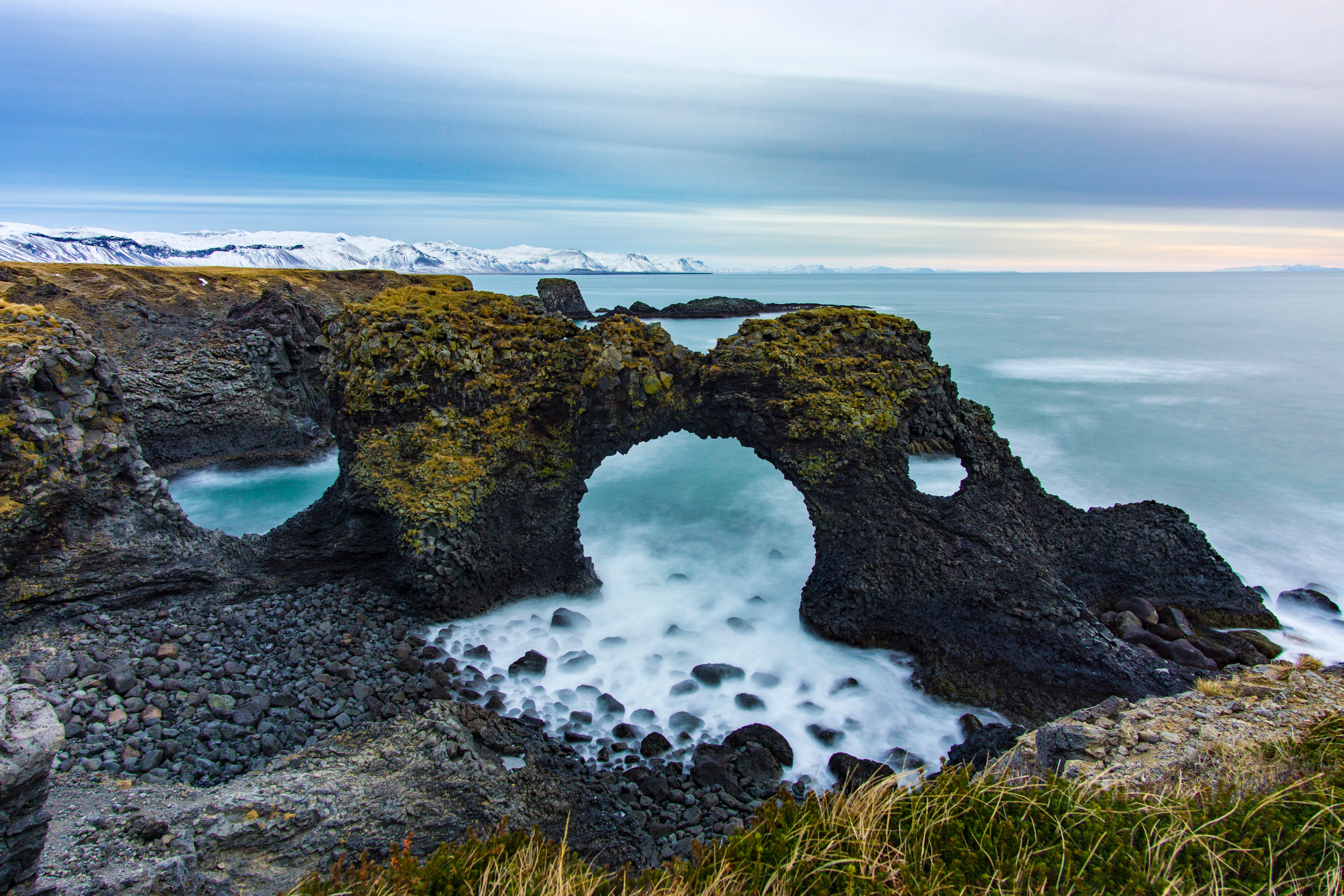
An island of dramatic contrasts, uncover Iceland’s natural beauty through a land forged by ice and fire. Travel the “Golden Circle” – an epicenter of natural scenic wonders. Explore Skógar Museum and see traditional turf-built homes. Walk on a black volcanic sand beach. See Jökulsárlón glacial lagoon filled with floating icebergs. Discover otherworldly wonders and captivating cultures on a fascinating Icelandic journey.
An island of dramatic contrasts, uncover Iceland’s natural beauty through a land forged by ice and fire. Travel the “Golden Circle” – an epicenter of natural scenic wonders. Explore Skógar Museum and see traditional turf-built homes. Walk on a black volcanic sand beach. See Jökulsárlón glacial lagoon filled with floating icebergs. Discover otherworldly wonders and captivating cultures on a fascinating Icelandic journey.
Highlights
- Located in southwestern Iceland, the capital and largest city of Iceland is said to be the location of the first permanent settlement. It is believed that the city was established around AD 870. Until the 18th century, there was no urban development, but the city was founded in 1786 as an official trading town and grew steadily over the next decades. Soon Reykjavík became the national center of commerce, population, and governmental activities. The city is rated among the cleanest, greenest, and safest cities in the world.
- The Golden Circle is the most popular tourist route from Reykjavík in South Iceland. Two main stops on the route are Thingvellir National Park and Gullfoss Waterfall (Golden Falls). The route covers about 300 kilometers looping from Reykjavík into central Iceland and back.
- Around 930, the Althing general assembly was established in Thingvellir. A law passed in 1928 protecting the area, which shall remain the property of the Icelandic nation under the preservation of the Althing. Thingvellir National Park was officially founded in 1930, marking the 1,000th anniversary of the Althing. In 2004, the park became a World Heritage Site. Throughout the park, travelers can visit the many hiking trails.
- One of the most popular tourist attractions in Iceland is the Gullfoss, an incredible waterfall located in the canyon of Hvita river in southwest Iceland. As one first approaches the falls, the crevice is obscured from view, so that it appears that a mighty river magically vanishes into the earth. The falls offer a spectacular view of the forces and beauty of the untouched nature in Iceland. On a sunny day, a rainbow can be seen over the falls. In 1907, Gullfoss was owned by a local farmer. He was approached by an Englishman who wanted to buy it to produce electricity. Although the farmer declined the Englishman’s generous offer, he leased it to him. After the farmer’s passing, his daughter went to great lengths to save Gullfoss by stopping construction that would have damaged it. She is often called Iceland’s first environmentalist. In 1979, Gullfoss was designated as a nature preserve and permanently protected for the public to enjoy.
- Sometimes known as The Great Geysir, this geyser located in southwestern Iceland was the first geyser described in a printed source and the first known to modern Europeans. The name Geysir itself is derived from the Icelandic verb geysa, “to gush.” Research suggests that Geysir has been active for approximately 10,000 years. The oldest accounts of hot springs date back to 1294 when earthquakes in the area caused significant changes in local neighboring landscapes, creating several new hot springs. Until 1894, the Geysir was owned by a local farmer who then sold it to James Craig, a whiskey distiller and future Prime Minister of Northern Ireland. Later, Craig’s nephew inherited the site, and in 1935 he sold it to a film director who subsequently donated it to the Icelandic people. Visitors can see the amazing Geysir spout water 100 feet into the air every few minutes.
- Visit the Lava Exhibition Center to learn about Iceland’s historic eruptions and current lava flows that make Iceland a showcase of volcanic activity.
- The picturesque village of Vík is the southernmost village in Iceland, and despite its small size, it is the largest settlement around and an important staging post. Vík's black sand beaches are some of the wettest places in Iceland. The cliffs of the beaches are home to many beautiful seabirds, most notably, the colorful puffins. The village lies directly beneath the Myrdalsjokull glacier, which sits atop the Katla volcano.
- The Skógar Museum was founded in 1949 and preserves the interesting cultural heritage of South Iceland in the form of tools and equipment used at land and sea, crafts and buildings. The museum was originally housed in Skógar Regional School and in 1968 moved to its own facilities. Visitors can see how Icelanders lived in the past in small turf houses and learn the history of Icelandic inhabitants.
- Skógafoss is a waterfall situated on the beautiful Skóga River, in southern Iceland at the cliffs of a former coastline. It’s one of the biggest waterfalls in the country. Here’s a fun fact: Due to the amount of shower the waterfall consistently produces, a single or double rainbow is normally visible on sunny days! Legend has it that the first Viking settler in the area buried a treasure in a cave behind the waterfall. Many years later, the locals found the chest, but were only able to grasp the ring on the side of the chest before it disappeared. The ring was allegedly given to the local church. Today, that old church door ring is now in a museum.
- A majestic glacial lake in southeast Iceland, Jökulsárlón Glacier Lagoon is on the edge of Vatnajökull National Park. The lagoon is situated at the head of the Breioamerkurjokull glacier. It developed into a lake after the glacier started receding from the edge of the Atlantic Ocean. The lake has grown since then at varying rates because of the melting glaciers. Today it is considered one of the natural wonders of Iceland and a major attraction for tourists. Several animals including various fish, seals and seabirds can be seen in or by the lagoon.
- Arguably Iceland’s most famous waterfall, the cascade drops 200 feet from rocks above into a serene pool below. One of the most unique features of Seljalandsfoss is that visitors can hike through the back of the falls and view them from the inside out. Seljalandsfoss offers a one of a kind view, where tourists can see the Northern Lights from inside a waterfall.
Hotels
- Centerhotel Plaza — Reykjavik
- Fosshotel — Reykholt
- Dyrholaey Hotel — Vik
- Centerhotel Plaza — Reykjavik
Details
- Tour Operator
- Collette
- Start City
- Reykjavik
- End City
- Reykjavik
- Duration (Days)
- 10
- Activity Level
- Level 3
What's Included
- 15 meals included
- Inter-tour flights included
- Located in southwestern Iceland, the capital and largest city of Iceland is said to be the location of the first permanent settlement. It is believed that the city was established around AD 870. Until the 18th century, there was no urban development, but the city was founded in 1786 as an official trading town and grew steadily over the next decades. Soon Reykjavík became the national center of commerce, population, and governmental activities. The city is rated among the cleanest, greenest, and safest cities in the world.
- The Golden Circle is the most popular tourist route from Reykjavík in South Iceland. Two main stops on the route are Thingvellir National Park and Gullfoss Waterfall (Golden Falls). The route covers about 300 kilometers looping from Reykjavík into central Iceland and back.
- Around 930, the Althing general assembly was established in Thingvellir. A law passed in 1928 protecting the area, which shall remain the property of the Icelandic nation under the preservation of the Althing. Thingvellir National Park was officially founded in 1930, marking the 1,000th anniversary of the Althing. In 2004, the park became a World Heritage Site. Throughout the park, travelers can visit the many hiking trails.
- One of the most popular tourist attractions in Iceland is the Gullfoss, an incredible waterfall located in the canyon of Hvita river in southwest Iceland. As one first approaches the falls, the crevice is obscured from view, so that it appears that a mighty river magically vanishes into the earth. The falls offer a spectacular view of the forces and beauty of the untouched nature in Iceland. On a sunny day, a rainbow can be seen over the falls. In 1907, Gullfoss was owned by a local farmer. He was approached by an Englishman who wanted to buy it to produce electricity. Although the farmer declined the Englishman’s generous offer, he leased it to him. After the farmer’s passing, his daughter went to great lengths to save Gullfoss by stopping construction that would have damaged it. She is often called Iceland’s first environmentalist. In 1979, Gullfoss was designated as a nature preserve and permanently protected for the public to enjoy.
- Sometimes known as The Great Geysir, this geyser located in southwestern Iceland was the first geyser described in a printed source and the first known to modern Europeans. The name Geysir itself is derived from the Icelandic verb geysa, “to gush.” Research suggests that Geysir has been active for approximately 10,000 years. The oldest accounts of hot springs date back to 1294 when earthquakes in the area caused significant changes in local neighboring landscapes, creating several new hot springs. Until 1894, the Geysir was owned by a local farmer who then sold it to James Craig, a whiskey distiller and future Prime Minister of Northern Ireland. Later, Craig’s nephew inherited the site, and in 1935 he sold it to a film director who subsequently donated it to the Icelandic people. Visitors can see the amazing Geysir spout water 100 feet into the air every few minutes.
- Visit the Lava Exhibition Center to learn about Iceland’s historic eruptions and current lava flows that make Iceland a showcase of volcanic activity.
- The picturesque village of Vík is the southernmost village in Iceland, and despite its small size, it is the largest settlement around and an important staging post. Vík's black sand beaches are some of the wettest places in Iceland. The cliffs of the beaches are home to many beautiful seabirds, most notably, the colorful puffins. The village lies directly beneath the Myrdalsjokull glacier, which sits atop the Katla volcano.
- The Skógar Museum was founded in 1949 and preserves the interesting cultural heritage of South Iceland in the form of tools and equipment used at land and sea, crafts and buildings. The museum was originally housed in Skógar Regional School and in 1968 moved to its own facilities. Visitors can see how Icelanders lived in the past in small turf houses and learn the history of Icelandic inhabitants.
- Skógafoss is a waterfall situated on the beautiful Skóga River, in southern Iceland at the cliffs of a former coastline. It’s one of the biggest waterfalls in the country. Here’s a fun fact: Due to the amount of shower the waterfall consistently produces, a single or double rainbow is normally visible on sunny days! Legend has it that the first Viking settler in the area buried a treasure in a cave behind the waterfall. Many years later, the locals found the chest, but were only able to grasp the ring on the side of the chest before it disappeared. The ring was allegedly given to the local church. Today, that old church door ring is now in a museum.
- A majestic glacial lake in southeast Iceland, Jökulsárlón Glacier Lagoon is on the edge of Vatnajökull National Park. The lagoon is situated at the head of the Breioamerkurjokull glacier. It developed into a lake after the glacier started receding from the edge of the Atlantic Ocean. The lake has grown since then at varying rates because of the melting glaciers. Today it is considered one of the natural wonders of Iceland and a major attraction for tourists. Several animals including various fish, seals and seabirds can be seen in or by the lagoon.
- Arguably Iceland’s most famous waterfall, the cascade drops 200 feet from rocks above into a serene pool below. One of the most unique features of Seljalandsfoss is that visitors can hike through the back of the falls and view them from the inside out. Seljalandsfoss offers a one of a kind view, where tourists can see the Northern Lights from inside a waterfall.
Pricing
| Option | Price | Departure | Return |
|---|---|---|---|
| Double | USD 4,299.00 | 2026-04-26 | |
| Single | USD 5,299.00 | 2026-04-26 | |
| Triple | USD 4,099.00 | 2026-04-26 | |
| Double | USD 4,699.00 | 2026-04-29 | |
| Single | USD 5,699.00 | 2026-04-29 | |
| Triple | USD 4,599.00 | 2026-04-29 | |
| Double | USD 4,899.00 | 2026-05-13 | |
| Single | USD 5,899.00 | 2026-05-13 | |
| Triple | USD 4,799.00 | 2026-05-13 | |
| Double | USD 4,899.00 | 2026-05-17 | |
| Single | USD 5,899.00 | 2026-05-17 | |
| Triple | USD 4,799.00 | 2026-05-17 | |
| Double | USD 4,899.00 | 2026-05-24 | |
| Single | USD 5,899.00 | 2026-05-24 | |
| Triple | USD 4,699.00 | 2026-05-24 | |
| Double | USD 4,899.00 | 2026-05-27 | |
| Single | USD 5,899.00 | 2026-05-27 | |
| Triple | USD 4,699.00 | 2026-05-27 |
Itinerary
-
Day 1: Overnight Flight
Set out on a journey full of dramatic contrasts. Come to know Iceland; a place where steaming lava fields reflect a volcanic nature and massive glaciers sculpt mountains and valleys, leaving behind thundering waterfalls and plunging fjords.
-
Day 2: Reykjavík, Iceland
Arrive today in the capital city of Reykjavík. Get to know your fellow travelers during an Icelandic lunch at a popular local restaurant. Next, join a local expert for a walking tour of The Old City featuring the city hall, the harbor, the Parliament building, and the nearby cathedral dating from 1796 before checking into your hotel later in the afternoon.
-
Day 3: Reykjavík - Golden Circle - Reykjavík
Travel the Golden Circle and experience renowned natural wonders. Marvel at the double-cascade Gullfoss waterfall, the explosive Geysir thermal area, and the famous Thingvellir National Park where you’ll stand upon the crest of the Mid-Atlantic Ridge. Along the way, stop at a family-run dairy farm to enjoy various cheeses and their famous ice cream during a light lunch. Your day ends with a visit to Friðheimar’s stud farm and greenhouse cultivation center. Discover how pesticide-free produce is grown with the aid of geothermal energy. After, learn about the tradition of breeding Icelandic show horses before returning to Reykjavík.
-
Day 4: Reykjavík - Akranes - Reykholt
Explore the western side of Iceland’s coastline and visit Akranes, an old fishing town at the base of Akrafjall Mountain. Don’t forget to capture a photo of one of the most picturesque lighthouses* in the world. Perhaps, you’ll climb up the stairs to take in its stunning views. Listen to mysterious stories about this area, or take a leisurely walk along the historical harbor if you choose. Continue to Deildartunguhver, the highest-flowing hot spring in Europe. Stroll along several wooden walkways and observation points to explore the hot springs safely. Listen to local stories and legends while visiting Barnafoss, which translates to “the Children’s Falls.” Your day comes to an end in Reykholt. This evening enjoy dinner on own in nearby Borgarnes.
-
Day 5: Reykholt - Ólafsvík - Reykholt
Begin your day with stunning views on your way to Ólafsvík, located in the northern part of the Snæfellsnes Peninsula. Spend some time exploring this small fishing town and enjoy lunch on your own before joining a whale watching cruise.** Experience an authentic trip in the Breiðafjördur Bay, which is one of the best spots to have a good chance to experience amazing whales in nature. Take in views of Mount Kirkjufell with its iconic shape and freestanding form; this is one of the most photographed landscapes in Iceland. Witness Kirkjufellsfoss, a beautiful series of waterfalls, before returning to Reykholt for an evening at leisure.
-
Day 6: Reykholt - Vík
Learn about geothermal renewable energy on a visit to Hellisheiðavirkjun, the largest power station in Iceland and the second largest geothermal power station in the world. Visit the Lava Exhibition Center and delve into Iceland’s past and present volcanic eruptions. Afterward, witness Seljalandsfoss, a rushing waterfall where you may walk behind the water for unique views from the inside out. Arrive in Vík, Iceland's southernmost village, and one of the most remarkable spots in Iceland.
-
Day 7: Vik - Reynisfjara - Vík
Drive along the scenic south shore to the Skógar Museum. Discover its turf-built houses and its collection of farm and domestic artifacts. Nearby, find the impressive Skógafoss waterfall, one of the tallest in Iceland. Behold Reynisfjara, a black volcanic sand beach scattered with caves and surrounded by basalt columns and cliffs. The beach is rich with bird life, such as the fulmar, black guillemot, razorbill, and gannet. You might also spot some nesting puffins*** along the unique natural rock formations at Dyrhólaey, a volcanic peninsula towering over the ocean. Cap off your day with a visit to Sólheimajökull Glacier, part of Iceland’s fourth largest ice cap. Take in its dramatic, blue-white ice, rugged crevasses, and stunning views.
-
Day 8: Vík - Jökulsárlón Glacial Lagoon - Vík
This morning, travel through the area of Vatnajökull, Iceland’s largest National Park. On your way to Jökulsárlón Glacial Lagoon, marvel at the vistas and snowy mountain peaks as you board a cruise on an amphibian boat**** along the huge icebergs. Explore this extraordinary landscape as you search for seals swimming in cold waters.
-
Day 9: Vik - Reykjavik
Today, make your way back to Reykjavik while taking in stunning backdrops as you approach the Reykjanes Peninsula. Visit a local studio and learn about Icelandic traditions of wool dyeing using natural ingredients and traditional techniques. Later, visit the scenic Sky Lagoon***** and experience the Icelandic tradition of geothermal bathing. Take a dip in the warm, mineral-rich waters and enjoy sweeping ocean views. This evening, join your fellow travelers for a farewell dinner at a local restaurant and reflect on your adventures in the Land of Fire and Ice.
-
Day 10: Reykjavík - Tour Ends
Depart for home with memories of your Icelandic adventure.