
Spectacular Scandinavia
Watch a Nordic postcard unfold before your eyes and discover the lands where Vikings reigned. Join a local expert for an intimate tour of Stockholm, Sweden’s idyllic capital city. Uncover why Copenhagen is dubbed the "gastro capital of Scandinavia." Experience Norway’s breathtaking fjord region, taking a cruise on Geirangerfjord. An incredible journey to a land of unparalleled beauty awaits you in Scandinavia, where history and culture intersect with stunning natural wonders.
Watch a Nordic postcard unfold before your eyes and discover the lands where Vikings reigned. Join a local expert for an intimate tour of Stockholm, Sweden’s idyllic capital city. Uncover why Copenhagen is dubbed the "gastro capital of Scandinavia." Experience Norway’s breathtaking fjord region, taking a cruise on Geirangerfjord. An incredible journey to a land of unparalleled beauty awaits you in Scandinavia, where history and culture intersect with stunning natural wonders.
Highlights
- The Old town of Stockholm was built by Vikings around 1000 AD. They established routes that opened up the region to trade. Today, Stockholm is the cultural, media, political and economic center of Sweden. The capital is also home to the Swedish monarch and the Prime Minister. Stockholm uniquely spreads over 14 islands in Lake Malaren and looks out to the Baltic Sea to the east.
- While in Stockholm, you will have the choice between two activites. First, you may choose to join a guide on a visit to the one-of-a-kind Vasa Ship Museum. Learn about the vessel's shocking maiden voyage, when it sank in a single nautical mile. The ship, commissioned in the 1600s by King Vasa, was raised 334 years later from the bottom of the harbor. Perfectly preserved, the ship offers a rare glimpse into the amazing craftsmanship of the 17th century. Your other option is to "walk in, dance out" at the ABBA Museum. This interactive museum is the perfect place for ABBA fans to learn about the Swedish pop sensation. The exhibition is full of ABBA memorabilia including stage outfits, instruments, awards and much more. You can even record your own performance and download it for all your friends and family to enjoy. Vasa Museum Activity Level: 2 30-minute guided tour of museum followed by free time. ABBA Museum Activity Level: 2 Self-guided tour of museum.
- Copenhagen was founded as a Viking fishing village in the 10th century. The city is situated on the eastern coast of Zealand. The most populated city did not become the capital of Denmark until the 15th century. Between the 15th and the mid- to late-19th century, Copenhagen suffered from several disasters. During the rebuilding, the Danish Golden Age, buildings had a Neoclassical architectural style. Since the 20th century, Copenhagen has been a thriving city and now has become a large metropolitan area.
- Tivolis is a famous amusement park and garden located in Copenhagen, Denmark. It is known as the second oldest amusement park in the world, opening on August 15, 1843. The park was founded by Georg Carstensen after telling King Christian VIII that people needed a place for fun, when they do not have to think about politics. The King granted Carstensen 15 acres of land for the Garden. The garden houses several rides, attractions, such as theaters, pavilions, exhibits, an aquarium, and arcade. Visitors can listen to rhythmical music, view a show, as well as dine in one of the parks various restaurants. Today, Tivoli is one of the most popular park to visit.
- You have the choice to visit the National Museum of Denmark, home of Denmark's largest museum of cultural history, comprising the histories of Danish and foreign cultures alike. Or, you can spend the morning exploring the Nyhavn harbor area of Copenhagen. Dating back to the 17th century, this waterfront entertainment district comprises of brightly colored townhouses, bars, restaurants and shops. Transportation is provided to and from Nyhavn. National Museum of Demark Activity Level: 2 Self-guided visit Explore Nyhavn Activity Level: 2 Free time to wander the Nyhavn harbor area and connect with the locals in the cafes and shops.
- The capital of Norway was founded around A.D. 1000. The city was an established trading place in 1048 by King Harald III. Now the city is the economic and governmental center of Norway. Olso is also the hub of Norwegian trade, banking, industry and shipping. The global city has been an important center for maritime industries and trade in Europe. Many of Olso’s landmarks were built in the 19th century due to fires destroying the city.
- A medieval wooden church building was once common in northwestern Europe. The Stave Church’s name derives from the way the building was constructed. The stave church was built around 1500 and is an important part of Norway’s architectural heritage. Norway is the only country in the Northern Europe with wooden churches from the Middle Ages still intact.
- A railway with a scenic view that travels through most of Norway. It takes visitors in and out of snow-capped mountains and pass magnificent waterfalls. The railway is one of the steepest in the world on normal tracks. The Flåm Railway has received recognition from many travel magazines. The construction of the railway began in 1924 and it opened in 1940. Today, the railway is primarily for tourist-oriented purposes.
- Embark on an exhilarating Geirangerfjord cruise, taking in some of the most beautiful scenery in Norway along the way. Geirangerfjord is a fjord in the Sunnmore region in Norway. In 2005, the fjord was listed as a UNESCO World Heritage site. The location of the fjord is entirely in the Stranda Municipality. The fjord is surrounded by snow-covered mountain peaks, waterfalls and lush, green vegetation.
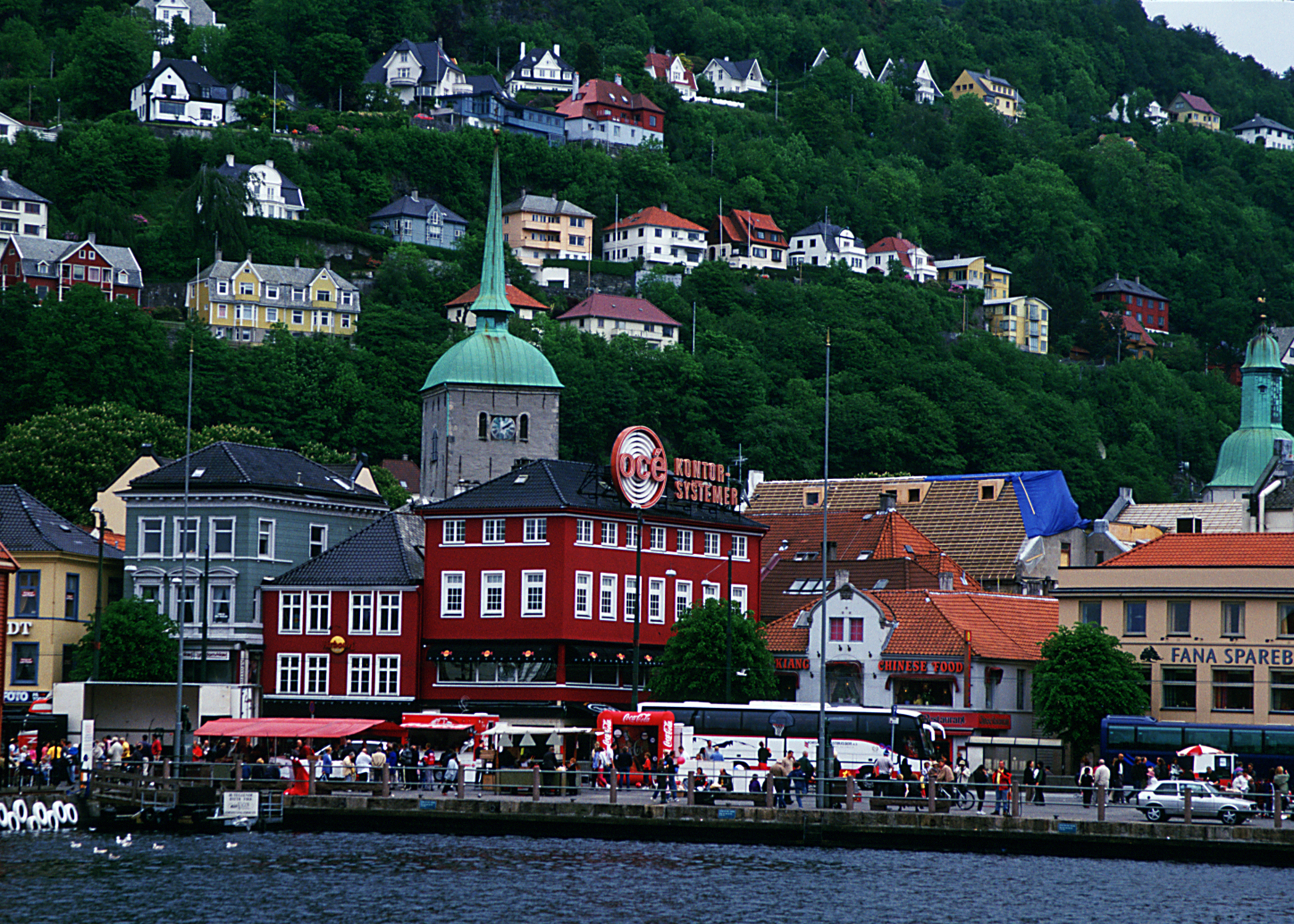
- Located on the west coast of Norway, Bergen is a city and municipality that was established before A.D. 1070. Today, this international city rich in history and tradition is a designated World Heritage City. It is also a cruise port. One of the main attractions located in Bergen is Bryggen, a UNESCO World Heritage site. Some of Bergen’s very first buildings were built along the harbor of Bryggen and have since become the center of Bergen.
Hotels
- Scandic Grand Central — Stockholm
- Elite Park Avenue Hotel — Gothenburg
- Scandic Spectrum — Copenhagen
- <i>MS Sea Crown</i> — Copenhagen
- Hotel Bristol — Oslo
- Fretheim Hotel — Flam
- Alexandra Hotel — Loen
- Radisson Blu Royal Hotel — Bergen
Details
- Tour Operator
- Collette
- Start City
- Stockholm
- End City
- Bergen
- Duration (Days)
- 15
- Activity Level
- Level 3
What's Included
- 22 meals included
- Inter-tour flights included
- The Old town of Stockholm was built by Vikings around 1000 AD. They established routes that opened up the region to trade. Today, Stockholm is the cultural, media, political and economic center of Sweden. The capital is also home to the Swedish monarch and the Prime Minister. Stockholm uniquely spreads over 14 islands in Lake Malaren and looks out to the Baltic Sea to the east.
- While in Stockholm, you will have the choice between two activites. First, you may choose to join a guide on a visit to the one-of-a-kind Vasa Ship Museum. Learn about the vessel's shocking maiden voyage, when it sank in a single nautical mile. The ship, commissioned in the 1600s by King Vasa, was raised 334 years later from the bottom of the harbor. Perfectly preserved, the ship offers a rare glimpse into the amazing craftsmanship of the 17th century. Your other option is to "walk in, dance out" at the ABBA Museum. This interactive museum is the perfect place for ABBA fans to learn about the Swedish pop sensation. The exhibition is full of ABBA memorabilia including stage outfits, instruments, awards and much more. You can even record your own performance and download it for all your friends and family to enjoy. Vasa Museum Activity Level: 2 30-minute guided tour of museum followed by free time. ABBA Museum Activity Level: 2 Self-guided tour of museum.
- Copenhagen was founded as a Viking fishing village in the 10th century. The city is situated on the eastern coast of Zealand. The most populated city did not become the capital of Denmark until the 15th century. Between the 15th and the mid- to late-19th century, Copenhagen suffered from several disasters. During the rebuilding, the Danish Golden Age, buildings had a Neoclassical architectural style. Since the 20th century, Copenhagen has been a thriving city and now has become a large metropolitan area.
- Tivolis is a famous amusement park and garden located in Copenhagen, Denmark. It is known as the second oldest amusement park in the world, opening on August 15, 1843. The park was founded by Georg Carstensen after telling King Christian VIII that people needed a place for fun, when they do not have to think about politics. The King granted Carstensen 15 acres of land for the Garden. The garden houses several rides, attractions, such as theaters, pavilions, exhibits, an aquarium, and arcade. Visitors can listen to rhythmical music, view a show, as well as dine in one of the parks various restaurants. Today, Tivoli is one of the most popular park to visit.
- You have the choice to visit the National Museum of Denmark, home of Denmark's largest museum of cultural history, comprising the histories of Danish and foreign cultures alike. Or, you can spend the morning exploring the Nyhavn harbor area of Copenhagen. Dating back to the 17th century, this waterfront entertainment district comprises of brightly colored townhouses, bars, restaurants and shops. Transportation is provided to and from Nyhavn. National Museum of Demark Activity Level: 2 Self-guided visit Explore Nyhavn Activity Level: 2 Free time to wander the Nyhavn harbor area and connect with the locals in the cafes and shops.
- The capital of Norway was founded around A.D. 1000. The city was an established trading place in 1048 by King Harald III. Now the city is the economic and governmental center of Norway. Olso is also the hub of Norwegian trade, banking, industry and shipping. The global city has been an important center for maritime industries and trade in Europe. Many of Olso’s landmarks were built in the 19th century due to fires destroying the city.
- A medieval wooden church building was once common in northwestern Europe. The Stave Church’s name derives from the way the building was constructed. The stave church was built around 1500 and is an important part of Norway’s architectural heritage. Norway is the only country in the Northern Europe with wooden churches from the Middle Ages still intact.
- A railway with a scenic view that travels through most of Norway. It takes visitors in and out of snow-capped mountains and pass magnificent waterfalls. The railway is one of the steepest in the world on normal tracks. The Flåm Railway has received recognition from many travel magazines. The construction of the railway began in 1924 and it opened in 1940. Today, the railway is primarily for tourist-oriented purposes.
- Embark on an exhilarating Geirangerfjord cruise, taking in some of the most beautiful scenery in Norway along the way. Geirangerfjord is a fjord in the Sunnmore region in Norway. In 2005, the fjord was listed as a UNESCO World Heritage site. The location of the fjord is entirely in the Stranda Municipality. The fjord is surrounded by snow-covered mountain peaks, waterfalls and lush, green vegetation.
- Located on the west coast of Norway, Bergen is a city and municipality that was established before A.D. 1070. Today, this international city rich in history and tradition is a designated World Heritage City. It is also a cruise port. One of the main attractions located in Bergen is Bryggen, a UNESCO World Heritage site. Some of Bergen’s very first buildings were built along the harbor of Bryggen and have since become the center of Bergen.
Pricing
| Option | Price | Departure | Return |
|---|---|---|---|
| Double | USD 6,349.00 | 2026-05-16 | |
| Single | USD 8,149.00 | 2026-05-16 |
Itinerary
-
Day 1: Overnight Flight
Set out to explore Scandinavia by land and experience one of the world’s most incredible regions.
-
Day 2: Stockholm, Sweden
Arrive in the beautiful city of Stockholm. Take some time to venture out on your own and get to know this relatively small city, built on 14 islands and connected by 57 bridges. Tonight, meet your fellow travelers for dinner.
-
Day 3: Stockholm
Join a local expert to see Stockholm’s greatest vistas and attractions, including Gamla Stan (Old Town), Riddarholm Church, the Royal Palace, and the Parliament, on an historic and cultural walking tour. Enjoy a visit inside Stockholm’s stunning City Hall, which displays towering brick walls paired with an opulent interior. This afternoon, it’s your choice! Explore the Vasa Ship Museum and learn about the vessel’s shocking maiden voyage, when it sank in a single nautical mile (the perfectly preserved ship, commissioned in the 1600s by King Vasa, was raised from the bottom of the harbor 334 years later) -OR- visit the ABBA Museum, an interactive exhibition about the Swedish pop sensation. The remainder of the day is yours to explore Stockholm independently. Discover its strikingly colorful architecture and sample its innovative cuisine.
-
Day 4: Stockholm - Orebro - Gothenburg
Bid farewell to Stockholm and set off by motor coach for a relaxing journey to Orebro. Situated between Stockholm and Gothenburg, this compact little city offers a wealth of intriguing history and contemporary appeal. Take some free time for lunch and exploring independently before continuing your journey to Gothenburg. Tonight, why not take an after-dinner stroll through the friendly and laid-back city streets before settling in for the night.
-
Day 5: Gothenburg - Copenhagen, Denmark
After a short morning walk around Gothenburg, set out into the country to visit Sofiero Palace, once a summer residence of the Swedish royal family. After a guided tour of the castle and included light lunch, continue to Denmark, ending the day in the cosmopolitan city of Copenhagen.
-
Day 6: Copenhagen
Join a local expert and set off on an engaging three-hour walking tour of Denmark’s capital city. See Nyhavn, the picturesque harbor lined with colorful facades and charming cafes, as well as Amelienborg Palace, the residence of the Danish Royal Family. Visit the famous Little Mermaid statue, and finish at Tivoli Gardens, the world's second oldest amusement park.
-
Day 7: Copenhagen - Overnight Ferry Crossing
This morning, it's your choice! Visit the National Museum of Denmark for an audio-guided visit at your own pace -OR- take time on your own to explore the fascinating harbor front of the pretty Nyhavn district and soak in the hygge culture of the Danes. This afternoon, head to the ferry terminal for an overnight crossing to Oslo. After joining together for dinner on board, enjoy this local way of travel, taking advantage of the ferry’s amenities or simply relaxing, and later settle in for some rest in your overnight cabin.
-
Day 8: Oslo, Norway
After disembarking the ferry mid-morning, your tour of Oslo begins. Travel by motor coach along Karl Johan Street and view the Royal Palace and city hall in quaint downtown Oslo. Visit Vigeland Park, home to the collection of statues and sculptures that comprise Gustav Vigeland's life’s work. After lunch in one of Oslo’s oldest restaurants, continue on foot with your local guide to explore one of Europe’s fastest growing cities.
-
Day 9: Oslo
Enjoy the entire day at leisure to discover Oslo independently. Or you may wish to join an optional excursion to Fredrikstad, one of the best-preserved fortified towns in northern Europe. Steeped in history, this cozy little town offers a peek into old Norway, with museums, galleries, antiques, and local delicacies to try.
-
Day 10: Oslo - Flåm
Travel north from Norway’s capital to the majestic fjord region. Visit Borgund Stave Church, the intricate structure built in dedication to the Apostle Andrew in 1180. Arrive in the quaint village of Flåm, nestled at the entrance to the stunning Aurlandsfjord, and visit the Railway Museum before settling in for the evening.
-
Day 11: Flåm - Flåm Railway - Loen
Embark on the renowned Flåm Railway, one of the world’s steepest train rides, and ascend 3,000 feet past mighty waterfalls, towering mountains, and amazing valleys. Journey to the mountain plateau of Myrdal and cascade down to the fjord of Flåm, taking in the breathtaking views each way. Continue on to the village of Loen, for a relaxing stay in the heart for Norway’s fjord region.
-
Day 12: Loen - Fjord Cruise - Loen
An enchanting day in Norway’s fjord region begins. In Geiranger, a UNESCO World Heritage site, embark on an exhilarating Geirangerfjord cruise, soaking in some of Norway’s most beautiful scenery along the way. One of the most famous fjords in the world, Geirangerfjord is where you’ll find Norway’s mightiest waterfalls: the Seven Sisters, the Bridal Veil, and the Suitor. Marvel at homesteads along the steep sides of the mountains, where farms have been kept for centuries. The day's relaxed pace offers the opportunity to soak up the nature and stunning scenery of the region.
-
Day 13: Loen - Bergen
Be inspired by Norway’s most impressive landscapes en route to Bergen – the gateway to the fjords. A visit to the Nordfjord Folk Museum tells the story of local enterprise and community spirit. Founded with Viking roots, the Bergen of today is known for its old-world charm and scenic landscapes.
-
Day 14: Bergen
Join a guided walking tour of Bergen and stroll along the historic and iconic harbor front, known as the Bryggen (UNESCO). Take a ride on the Floibanen funicular for spectacular views over the city. Enjoy the afternoon at leisure before reuniting with your fellow travelers for an atmospheric farewell dinner in the historic Bryggen neighborhood.
-
Day 15: Bergen - Tour Ends
Depart for home today with incredible memories of your Scandinavian journey.