
Peru: Machu Picchu and Lake Titicaca
From the sacred citadel of Machu Picchu to the floating islands of Lake Titicaca, the magical wonders of Peru are waiting behind every corner. Take in Lima and see the historical side of the “City of Kings.” Explore Andean art forms and the local way of life during your stay in the Sacred Valley. Delight in a home-hosted farm-to-table lunch at a local Quechua community. At Machu Picchu, spend a night at the base of the “Lost City of the Incas” and enjoy a culinary demonstration. Explore Cuzco, a city that blends Inca and Spanish colonial influences. Discover the birthplace of the Incan Empire in Puno and Lake Titicaca. Meet the indigenous Uros people of the floating islands on Lake Titicaca. Step into the past as you explore mysterious ancient sites and immerse yourself in the culture as you taste the country’s renowned cuisine.
From the sacred citadel of Machu Picchu to the floating islands of Lake Titicaca, the magical wonders of Peru are waiting behind every corner. Take in Lima and see the historical side of the “City of Kings.” Explore Andean art forms and the local way of life during your stay in the Sacred Valley. Delight in a home-hosted farm-to-table lunch at a local Quechua community. At Machu Picchu, spend a night at the base of the “Lost City of the Incas” and enjoy a culinary demonstration. Explore Cuzco, a city that blends Inca and Spanish colonial influences. Discover the birthplace of the Incan Empire in Puno and Lake Titicaca. Meet the indigenous Uros people of the floating islands on Lake Titicaca. Step into the past as you explore mysterious ancient sites and immerse yourself in the culture as you taste the country’s renowned cuisine.
Highlights
- Lima is the capital of Peru, located in the central coastal region of the country, overlooking the Pacific. The population in the metro area is 2.8 million, and it was founded in 1535 by conquistador Francisco Pizarro. About a third of the country’s population lives in or near Lima. Much of the city was destroyed by an earthquake in 1940, and during the rebuilding, much of the current population migrated to Lima from the country. The historic center was made a UNESCO World Heritage Site in 1988, and it contains sights such as the Monastery of San Francisco, Plaza Mayor and Cathedral. Lima is known as the “Gastronomic Capital of the Americas” with cuisine influenced by the Spanish conquerors and by immigrants from other European countries, Africa, China and Japan.
- Also known as Urumbamba Valley, Sacred Valley of the Incas is near Cuzco and overlooked by Machu Picchu. The valley was formed by the Urumbamba River, making it very fertile. There are many remains of Inca villages in the valley, and it was thought to be used for production of maize (corn). Mummies of Incas have been discovered in the valley.
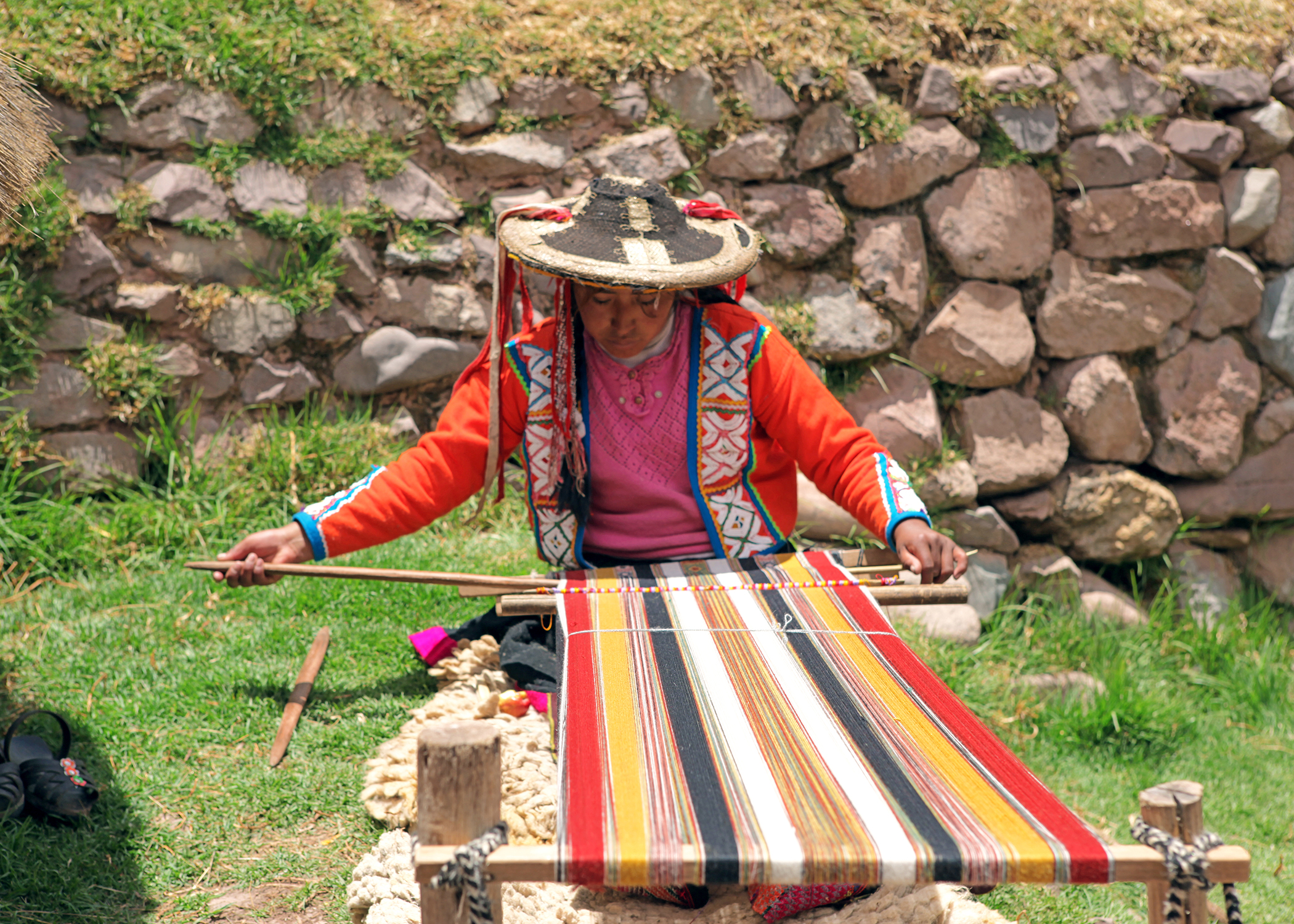
- Gain an appreciation for Andean culture when you travel to visit a local community and interact with the people who live there. Get a taste of daily life by participating in group workshops to learn about traditional methods of growing, harvesting and weaving. Learn dances, hear the sound of unique musical instruments and devour a home-hosted farm-to-table lunch that features local foods.
- Ollantaytambo was the royal estate of an Inca ruler in the 15th century and is still inhabited today. During the Spanish conquest, it was an Incan stronghold, partly defended by steep terraces below the main Temple Hill site. These terraces were also used to farm the steep hillside. Most of the ruins on the Temple Hill are incomplete, so it is believed that the site was still under construction by the Incas when it was abandoned, possibly due to a conflict among Incan groups. Ollantaytambo is the starting point for the Inca Trail hike.
- A wonderfully unique way to immerse yourself into a culture. With home-hosted lunches, you are welcomed into a local family’s home for an intimate eating experience feature local cuisine and interaction unlike any other!
- This is an Inca ruin dating from the 15th century, located in the Andes in Peru above the Sacred Valley of the Incas. It was thought to have been built as an estate for an Inca ruler and was abandoned after only about 100 years when many inhabitants died from diseases such as smallpox brought by the Spaniards, and transmitted to the site by travelers. The site was discovered by Hiram Bingham, a lecturer at Yale, in 1911 and National Geographic Magazine devoted a whole edition to it in 1913. It is now Peru’s most visited tourist attraction, and numbers have to be carefully controlled to minimize negative impacts on the site by too many people.
- Cuzco is a city of over 400,000 people in southeastern Peru. It was the historic capital of the Inca Empire, and it has an elevation of 11,200 feet. Cuzco is a UNESCO World Heritage Site. The Inca Empire existed from the 13th century until the arrival of the Spanish in 1532, who took the city of Cuzco from the Incas in 1536. When Machu Picchu was rediscovered in 1911, the city became the starting point for tourists to visit the ruins. It has become a very important destination in itself. The old city center is noted for its combination of pre-colonial (Inca) and colonial buildings, and important sights include the Barrio de San Blas, the Cathedral and Plaza de Armas.
- While in Cuzco, you have the choice between two activities. First, you can choose to visit the sacred Inca ancient ruins of the Sacsayhuamán Fortress. Or, for your second choice, you can choose to embark on a walking tour of San Blas, the traditional old quarter of Cuzco, lined with restaurants and artisan shops. Sacsayhuamán Fortress Activity Level 3: Guests must be able to walk continuously for 10-15 minutes on uneven surfaces, and stand for 20 minutes without sitting. Walking Tour of San Blas Activity Level 4: Guests must be able to walk continuously for 30- 45 minutes on uneven surfaces, up and down steep streets.
- This lake in the Andes is on the borders of Peru and Bolivia. It is considered the highest navigable lake in the world at 12,500 feet above sea level. The Island of the Sun in the lake was a major pilgrimage point for the Incas because of a sacred stone there called Titikala, which may be the origin of the lake’s name. There are several endangered animals in or around the lake, such as the Titicaca Water Frog and the flightless bird, Titicaca Grebe. There are several towns around the lake, including Puno, Peru and Copacabana.
- The Uros are a group of people who were in the region before the Incas, and they live on the lake on 42 floating islands they make from totora reeds, which grow in the shallows of the lake. The islands allowed the Uros people to defend themselves by simply moving them out of danger. Their houses are made of reeds, and some islands also have reed watchtowers. The Uros live as fishermen, catch shorebirds and ducks for meat and eggs, and also sell woven goods. Tourism has become a large part of their economy.
Hotels
- Hilton Garden Inn Lima Miraflores — Lima
- Casa Andina Premium Sacred Valley — Yucay
- Sumaq Machu Picchu Hotel — Aguas Calientes
- Hilton Garden Inn — Cuzco
- GHL Lago Titicaca — Puno
Details
- Tour Operator
- Collette
- Start City
- Lima
- End City
- Puno
- Duration (Days)
- 10
- Activity Level
- Level 4
What's Included
- 15 meals included
- Inter-tour flights included
- Lima is the capital of Peru, located in the central coastal region of the country, overlooking the Pacific. The population in the metro area is 2.8 million, and it was founded in 1535 by conquistador Francisco Pizarro. About a third of the country’s population lives in or near Lima. Much of the city was destroyed by an earthquake in 1940, and during the rebuilding, much of the current population migrated to Lima from the country. The historic center was made a UNESCO World Heritage Site in 1988, and it contains sights such as the Monastery of San Francisco, Plaza Mayor and Cathedral. Lima is known as the “Gastronomic Capital of the Americas” with cuisine influenced by the Spanish conquerors and by immigrants from other European countries, Africa, China and Japan.
- Also known as Urumbamba Valley, Sacred Valley of the Incas is near Cuzco and overlooked by Machu Picchu. The valley was formed by the Urumbamba River, making it very fertile. There are many remains of Inca villages in the valley, and it was thought to be used for production of maize (corn). Mummies of Incas have been discovered in the valley.
- Gain an appreciation for Andean culture when you travel to visit a local community and interact with the people who live there. Get a taste of daily life by participating in group workshops to learn about traditional methods of growing, harvesting and weaving. Learn dances, hear the sound of unique musical instruments and devour a home-hosted farm-to-table lunch that features local foods.
- Ollantaytambo was the royal estate of an Inca ruler in the 15th century and is still inhabited today. During the Spanish conquest, it was an Incan stronghold, partly defended by steep terraces below the main Temple Hill site. These terraces were also used to farm the steep hillside. Most of the ruins on the Temple Hill are incomplete, so it is believed that the site was still under construction by the Incas when it was abandoned, possibly due to a conflict among Incan groups. Ollantaytambo is the starting point for the Inca Trail hike.
- A wonderfully unique way to immerse yourself into a culture. With home-hosted lunches, you are welcomed into a local family’s home for an intimate eating experience feature local cuisine and interaction unlike any other!
- This is an Inca ruin dating from the 15th century, located in the Andes in Peru above the Sacred Valley of the Incas. It was thought to have been built as an estate for an Inca ruler and was abandoned after only about 100 years when many inhabitants died from diseases such as smallpox brought by the Spaniards, and transmitted to the site by travelers. The site was discovered by Hiram Bingham, a lecturer at Yale, in 1911 and National Geographic Magazine devoted a whole edition to it in 1913. It is now Peru’s most visited tourist attraction, and numbers have to be carefully controlled to minimize negative impacts on the site by too many people.
- Cuzco is a city of over 400,000 people in southeastern Peru. It was the historic capital of the Inca Empire, and it has an elevation of 11,200 feet. Cuzco is a UNESCO World Heritage Site. The Inca Empire existed from the 13th century until the arrival of the Spanish in 1532, who took the city of Cuzco from the Incas in 1536. When Machu Picchu was rediscovered in 1911, the city became the starting point for tourists to visit the ruins. It has become a very important destination in itself. The old city center is noted for its combination of pre-colonial (Inca) and colonial buildings, and important sights include the Barrio de San Blas, the Cathedral and Plaza de Armas.
- While in Cuzco, you have the choice between two activities. First, you can choose to visit the sacred Inca ancient ruins of the Sacsayhuamán Fortress. Or, for your second choice, you can choose to embark on a walking tour of San Blas, the traditional old quarter of Cuzco, lined with restaurants and artisan shops. Sacsayhuamán Fortress Activity Level 3: Guests must be able to walk continuously for 10-15 minutes on uneven surfaces, and stand for 20 minutes without sitting. Walking Tour of San Blas Activity Level 4: Guests must be able to walk continuously for 30- 45 minutes on uneven surfaces, up and down steep streets.
- This lake in the Andes is on the borders of Peru and Bolivia. It is considered the highest navigable lake in the world at 12,500 feet above sea level. The Island of the Sun in the lake was a major pilgrimage point for the Incas because of a sacred stone there called Titikala, which may be the origin of the lake’s name. There are several endangered animals in or around the lake, such as the Titicaca Water Frog and the flightless bird, Titicaca Grebe. There are several towns around the lake, including Puno, Peru and Copacabana.
- The Uros are a group of people who were in the region before the Incas, and they live on the lake on 42 floating islands they make from totora reeds, which grow in the shallows of the lake. The islands allowed the Uros people to defend themselves by simply moving them out of danger. Their houses are made of reeds, and some islands also have reed watchtowers. The Uros live as fishermen, catch shorebirds and ducks for meat and eggs, and also sell woven goods. Tourism has become a large part of their economy.
Pricing
| Option | Price | Departure | Return |
|---|---|---|---|
| Double | USD 3,199.00 | 2026-04-26 | |
| Single | USD 3,849.00 | 2026-04-26 | |
| Triple | USD 3,149.00 | 2026-04-26 | |
| Double | USD 3,399.00 | 2026-05-10 | |
| Single | USD 3,849.00 | 2026-05-10 | |
| Triple | USD 3,349.00 | 2026-05-10 |
Itinerary
-
Day 1: Lima, Peru
Welcome to Peru, one of the treasures of South America. Travel through this intriguing land visiting some of the world’s most legendary sites, including Machu Picchu, the "Lost City of the Incas." Arrive late this evening in Lima, the "City of Kings."
-
Day 2: Lima
Discover Lima’s fascinating history during a colonial tour through the historic city center, a UNESCO World Heritage site. Admire the artwork at San Francisco Monastery and enter the catacombs. View the elegant Cathedral at Plaza de Armas and visit the Casa de Aliaga – former house of the conquistador Jeronimo de Aliaga y Ramirez – where the energy of colonial and republican Lima comes to life. Get to know your fellow travelers at a welcome dinner featuring artfully crafted Peruvian dishes.
-
Day 3: Lima - Cuzco - Sacred Valley
Fly to Cuzco, in the heart of the Inca civilization. Journey through the Andes to the majestic Sacred Valley of the Incas, the agricultural center of their grand empire. While en route to your hotel, explore different towns in the valley, each a representation of the region’s unique culture. After a short lesson on the local language, stop in Pisac village to browse the colorful handicraft market. Settle into your hotel nestled in the heart of the Sacred Valley.
-
Day 4: Sacred Valley - Ollantaytambo - Sacred Valley
This morning, visit the spectacular Ollantaytambo ruins, the only Incan settlement that has been continually inhabited since its inception. A uniquely terraced complex topped with carved stone panels, these ruins reflect ancient Incan architecture and heritage. Then, head to the Pablo Seminario Ceramic Studio where you’ll get first-hand knowledge of this internationally renowned artist's techniques and designs, inspired by ancient Peruvian cultures. Deep dive into the cultures of modern Andean people and experience an Impact Moment as you mingle with a nearby community. Thanks to their effort and teamwork, tourism has become an additional income to agriculture which has positively impacted their quality of life. You’ll get a true taste of their daily life when participating in small group workshops that teach you traditional methods of growing, harvesting and weaving. Celebrate their culture as you learn their dances and listen to their musical instruments before enjoying a home-hosted farm-to-table lunch featuring local specialties.
-
Day 5: Sacred Valley - Machu Picchu
Climb aboard your train to Machu Picchu for breathtaking views through panoramic windows as you ride through the Andes to the “Lost City of the Incas.” Hidden by mountains and semi-tropical jungle, Machu Picchu is considered the most spectacular sight in South America. Spend the afternoon with your guide uncovering the mysteries of these majestic ruins. Tonight, stay at the base of Machu Picchu for a chance to further soak up its atmosphere. Enjoy an exclusive culinary demonstration and learn how to craft the perfect ceviche and pisco sour before your dinner featuring a Peruvian menu.
-
Day 6: Machu Picchu - Cuzco
This morning, take advantage of free time and explore the local markets in Aguas Calientes on your own, or you may choose to visit Machu Picchu at sunrise. Return to the Sacred Valley by train. Upon arriving in Cuzco, take time to explore the captivating city at your leisure.
-
Day 7: Cuzco
Start your morning on a tour of Cuzco, visiting the San Pedro Market, the Koricancha temple, the central Plaza de Armas, and the Cuzco Cathedral. Later, it’s your choice! Travel above the city to discover the important sacred Incan ruins of Sacsayhuamán Fortress -OR- embark on a walking tour of San Blas, the traditional old quarter of Cuzco, lined with restaurants and artisan shops. The rest of the afternoon is yours. This evening, dine at your leisure at a local restaurant featuring the local flavors of Cuzco.
-
Day 8: Cuzco - Puno
Today, fly to Puno, hugging the shores of Lake Titicaca. Known as the birthplace of the Inca Empire, ancient legends say that life began here. Upon arrival, check into your lakeside hotel. Tonight, enjoy an evening at leisure.
-
Day 9: Uros Floating Islands - Lake Titicaca - Chullpas de Sillustan - Puno
Spend today getting to know the locals. Enjoy a morning cruise to the floating islands of the Uros people of Lake Titicaca. Experience walking on the island’s spongy surface made from compacted beds of tortora reeds and meet the locals, learning about their history and lifestyle. Later, cruise to a local rustic village for a home-hosted meal and swap stories with Peruvian families before visiting the mystical Chullpas de Sillustani – an archaeological area boasting 13th-century funerary monuments.
-
Day 10: Puno - Lima - Tour Ends
As your tour comes to a close, spend the morning relaxing on the shores of Lake Titicaca before flying to Lima. Upon arrival, head to the Larco Museum, a former mansion built on the site of a pre-Columbian temple. The museum offers a collection of over 3,000 years of ceramic, textile, and precious metal artifacts. After this incredible trip through history, your tour concludes with a farewell dinner on the grounds of the museum before departing for Lima’s airport and your connecting flight home.