
Italian Vistas
From the ancient ruins of Pompeii to the chic charm of the Isle of Capri, embark on a spectacular Italian getaway. Enjoy multiple-night stays in Rome, the charming Sorrento Coast, Florence, Venice, and Stresa in the Lake District. Discover the treasures of Classical Rome, including the Colosseum. Walk in the footsteps of the ancient Romans in Pompeii. Take a boat to the enchanting Isle of Capri. See the gems of the Renaissance in Florence, a veritable open-air museum. Marvel at the Leaning Tower of Pisa and stroll the streets of Verona. Stop at a Tuscan winery and farm for a lunch of regional specialties and wines. Tour Venice and walk the Castello district. Cruise to Isola Pescatori, one of the scenic Borromean Islands. Delve deeper into its history and culture as you visit some of the world’s most beautiful locales.
From the ancient ruins of Pompeii to the chic charm of the Isle of Capri, embark on a spectacular Italian getaway. Enjoy multiple-night stays in Rome, the charming Sorrento Coast, Florence, Venice, and Stresa in the Lake District. Discover the treasures of Classical Rome, including the Colosseum. Walk in the footsteps of the ancient Romans in Pompeii. Take a boat to the enchanting Isle of Capri. See the gems of the Renaissance in Florence, a veritable open-air museum. Marvel at the Leaning Tower of Pisa and stroll the streets of Verona. Stop at a Tuscan winery and farm for a lunch of regional specialties and wines. Tour Venice and walk the Castello district. Cruise to Isola Pescatori, one of the scenic Borromean Islands. Delve deeper into its history and culture as you visit some of the world’s most beautiful locales.
Highlights
- Rome is the capital of modern Italy and the historical home of one of the great civilizations in history, the Roman Empire. The historical city was founded in 753 BC and has grown to a size of over 3 million inhabitants today. The city is home to major monuments like the Colosseum, Trevi Fountain and many more. The city was built on the seven ancient hills along the Tiber River. Today it is a collection of neighborhoods with vibrant shops, restaurants and museums just waiting to be explored.
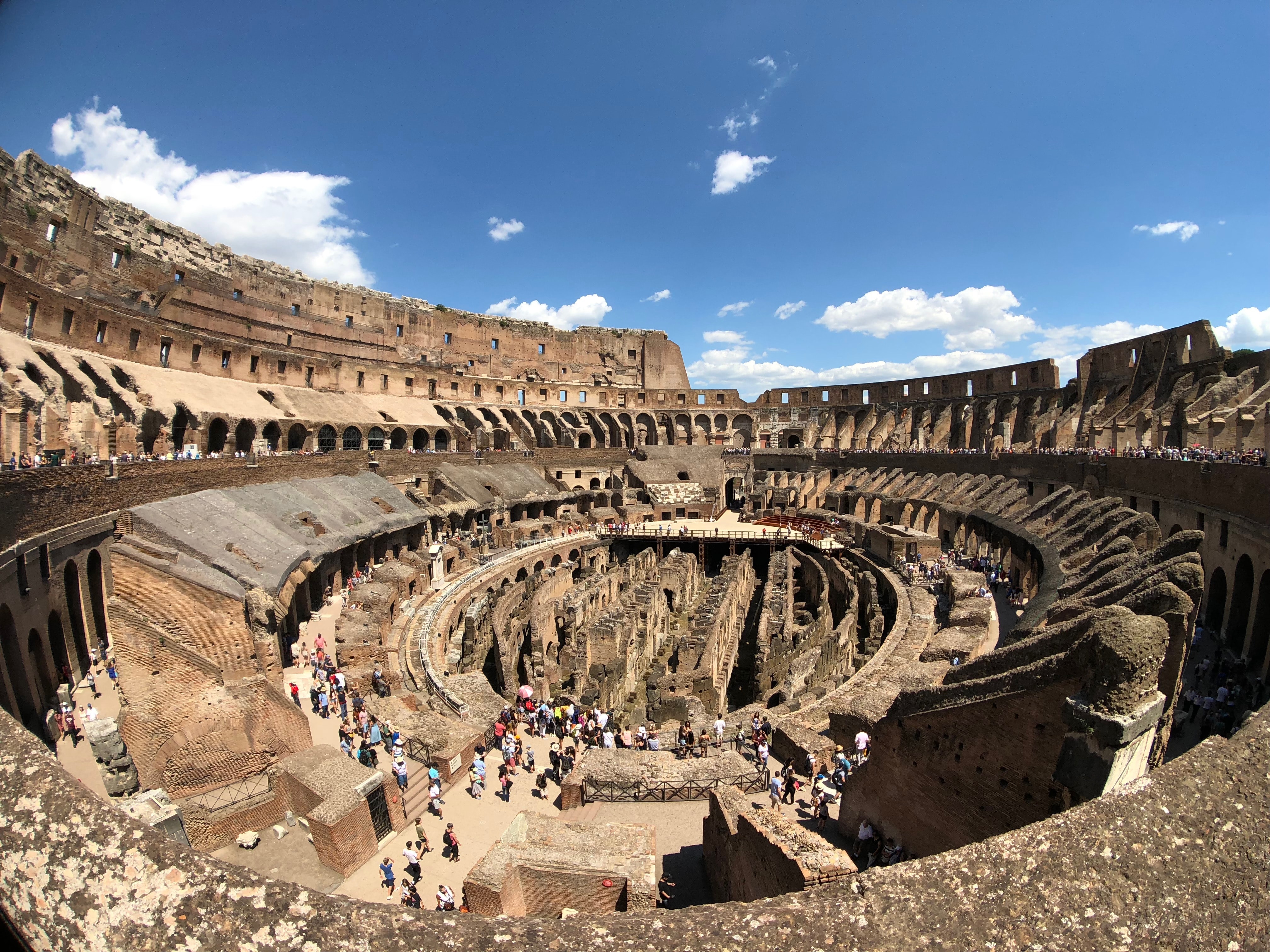
- The Colosseum is one of the most recognizable structures of the Roman Empire. The structure was built in the first century AD as a place of celebration for Gladiator games and public spectacles. Today the structure has been preserved and is an open air museum that highlights the architectural expertise of the ancient Romans. Visitors can see the details of the recently cleaned facade made of Travertine marble and view the internal structure of this “Wonder of the World.”
- The north side of the Sorrento peninsula is the Sorrento Coast, named after the largest city and tourist center, Sorrento. The Sorrento Coast is home to panoramic views of shear cliffs, small rocky beaches and terraced gardens of olive and lemon trees. The town of Sorrento is a tourist’s delight, complete with excellent shopping, quaint cafes and elegant restaurants.
- The Isle of Capri is an island located in front of the Bay of Naples in southern Italy. The island is famous for its mild climate, stunning landscape and luxurious shopping. The small island is made up of four communities, Capri Town, AnaCapri, Marina Grande and Marina Piccolo. Each community has its own distinct character and offers panoramic views of gardens, mountains and the sea. The island is home to the original limoncello factory, botanical perfume makers and countless designer shops.
- The Roman city of Pompeii is located in the southern region of Campagnia, near Naples. The city was covered by volcanic material in 79AD and forgotten for centuries. When the city was excavated, archeologists found the city to be intact as it had been prior to the eruption. Today visitors walk on the original streets, complete with chariot ruts. The city was made up of a variety of different buildings, including theaters, homes, shops, thermal baths, and temples - all of which can be visited today. In addition everyday objects and precious artifacts have been preserved along with original mosaic and fresco decorations.
- Florence is the regional capital of Tuscany and home to countless Renaissance masterpieces. The city developed great wealth during the late Middle Ages and was the birthplace of the Italian Renaissance that produced great artists like Michelangelo, Raphael, Brunelleschi and many others. Today it is a UNESCO World Heritage site filled with numerous museums, stunning architecture and charming piazzas. The city offers something for everyone from culture, to great food and excellent shopping (like their famous gold or leather).
- The Leaning Tower of Pisa is one of four monuments built in Pisa’s “Field of Miracles.” The other monuments include Italy’s largest baptistry, a cemetery for Pisan Nobility, and the Cathedral. The famous leaning eight story high tower was built as the Cathedral’s bell tower. From the start the tower began to lean as it was built on unstable land. Visitors can admire the beauty of the Pisan Romanesque architecture and align a photo of themselves holding up the tower.
- Italy is famous for its wines. The Tuscany region is home to numerous vineyards producing a variety of different wines. Many of these wineries are small, family owned operations. The majority of the wine produced in Tuscany is red wine. During a tour of a local winery, guests can learn about the wine making process from vine to bottle. The family is onsite to answer questions.
- Venice is the regional capital of the Veneto region in the northeast section of Italy. Venice has a unique design like no other city, built on over a hundred different islands in the center of the Venetian Lagoon. Early Venetians built their city on the islands to escape barbarian invaders. The islands of the city are separated by numerous small canals and connected by hundreds of small bridges. The city is famous for its romantic gondola-filled canals and ornate palaces that line the Grand Canal. The famous glass factories of Venice are located on Murano Island. Today the Murano Islands are home to a dwindling number of glass factories, whose artists are producing handmade Murano Glass.
- Murano is located in northern Italy and houses important attractions such as, the Church of Santa Maria e San Donato, the chapel of the Ballarin family, and artworks by Giovanni Bellini. The island is primarily known for their history in glass production. It became Italy’s glass art capital in 1291. The community of glassblowers was relocated by the government to Murano. Glass making originally began in Venice; however, because the houses were made out of wood, the government deemed it too risky because of the kilns constantly going.
- Verona is a charming city in northern Italy, built along the Adige River. The city is the setting of Shakespeare’s famous Romeo and Juliet. A small stone house in the city center is said to be the home of the fictional heroine. In the courtyard of the home, below a small balcony, is a bronze statue of Juliet that tourists pose with for a photo. The city is also home to a mix of beautiful buildings ranging from a Roman amphitheater to medieval palaces.
- Is a large lake located on the south side of the Alps which goes through both Italy and Switzerland. The climate, both in the winter and summer is mild enough to products Mediterranean vegetation, with many gardens growing rare and exotic plants. Many islands overlook the lake, including the Borromean Islands, the Brissago Islands, Castelli di Cannero, and Isolina Partegora.
- The famous town is located on Lake Maggiore in the Gulf of Borromeo, which is the main attraction for the town because it overlooks the eponymous islands. Visitors can travel via cable cars to get an aerial view of Stresa. Stresa has also been renowned for its culture and music. The history of Stresa officially appeared in documents in AD 998. In the 15th century it grew into a fishing community and then came under control of the Borromeo family. The town is home to about 5,000 inhabitants. In 1918, Ernest Hemingway visited Stresa, and he later made it the setting for part of his novel A Farewell to Arms.
Hotels
- Grand Hotel Palatino — Rome
- Hotel Michelangelo — Sorrento
- Grand Hotel Baglioni — Florence
- NH Venezia Santa Lucia — Venice
- Regina Palace Hotel — Stresa
Details
- Tour Operator
- Collette
- Start City
- Rome
- End City
- Stresa
- Duration (Days)
- 13
- Activity Level
- Level 3
What's Included
- 18 meals included
- Rome is the capital of modern Italy and the historical home of one of the great civilizations in history, the Roman Empire. The historical city was founded in 753 BC and has grown to a size of over 3 million inhabitants today. The city is home to major monuments like the Colosseum, Trevi Fountain and many more. The city was built on the seven ancient hills along the Tiber River. Today it is a collection of neighborhoods with vibrant shops, restaurants and museums just waiting to be explored.
- The Colosseum is one of the most recognizable structures of the Roman Empire. The structure was built in the first century AD as a place of celebration for Gladiator games and public spectacles. Today the structure has been preserved and is an open air museum that highlights the architectural expertise of the ancient Romans. Visitors can see the details of the recently cleaned facade made of Travertine marble and view the internal structure of this “Wonder of the World.”
- The north side of the Sorrento peninsula is the Sorrento Coast, named after the largest city and tourist center, Sorrento. The Sorrento Coast is home to panoramic views of shear cliffs, small rocky beaches and terraced gardens of olive and lemon trees. The town of Sorrento is a tourist’s delight, complete with excellent shopping, quaint cafes and elegant restaurants.
- The Isle of Capri is an island located in front of the Bay of Naples in southern Italy. The island is famous for its mild climate, stunning landscape and luxurious shopping. The small island is made up of four communities, Capri Town, AnaCapri, Marina Grande and Marina Piccolo. Each community has its own distinct character and offers panoramic views of gardens, mountains and the sea. The island is home to the original limoncello factory, botanical perfume makers and countless designer shops.
- The Roman city of Pompeii is located in the southern region of Campagnia, near Naples. The city was covered by volcanic material in 79AD and forgotten for centuries. When the city was excavated, archeologists found the city to be intact as it had been prior to the eruption. Today visitors walk on the original streets, complete with chariot ruts. The city was made up of a variety of different buildings, including theaters, homes, shops, thermal baths, and temples - all of which can be visited today. In addition everyday objects and precious artifacts have been preserved along with original mosaic and fresco decorations.
- Florence is the regional capital of Tuscany and home to countless Renaissance masterpieces. The city developed great wealth during the late Middle Ages and was the birthplace of the Italian Renaissance that produced great artists like Michelangelo, Raphael, Brunelleschi and many others. Today it is a UNESCO World Heritage site filled with numerous museums, stunning architecture and charming piazzas. The city offers something for everyone from culture, to great food and excellent shopping (like their famous gold or leather).
- The Leaning Tower of Pisa is one of four monuments built in Pisa’s “Field of Miracles.” The other monuments include Italy’s largest baptistry, a cemetery for Pisan Nobility, and the Cathedral. The famous leaning eight story high tower was built as the Cathedral’s bell tower. From the start the tower began to lean as it was built on unstable land. Visitors can admire the beauty of the Pisan Romanesque architecture and align a photo of themselves holding up the tower.
- Italy is famous for its wines. The Tuscany region is home to numerous vineyards producing a variety of different wines. Many of these wineries are small, family owned operations. The majority of the wine produced in Tuscany is red wine. During a tour of a local winery, guests can learn about the wine making process from vine to bottle. The family is onsite to answer questions.
- Venice is the regional capital of the Veneto region in the northeast section of Italy. Venice has a unique design like no other city, built on over a hundred different islands in the center of the Venetian Lagoon. Early Venetians built their city on the islands to escape barbarian invaders. The islands of the city are separated by numerous small canals and connected by hundreds of small bridges. The city is famous for its romantic gondola-filled canals and ornate palaces that line the Grand Canal. The famous glass factories of Venice are located on Murano Island. Today the Murano Islands are home to a dwindling number of glass factories, whose artists are producing handmade Murano Glass.
- Murano is located in northern Italy and houses important attractions such as, the Church of Santa Maria e San Donato, the chapel of the Ballarin family, and artworks by Giovanni Bellini. The island is primarily known for their history in glass production. It became Italy’s glass art capital in 1291. The community of glassblowers was relocated by the government to Murano. Glass making originally began in Venice; however, because the houses were made out of wood, the government deemed it too risky because of the kilns constantly going.
- Verona is a charming city in northern Italy, built along the Adige River. The city is the setting of Shakespeare’s famous Romeo and Juliet. A small stone house in the city center is said to be the home of the fictional heroine. In the courtyard of the home, below a small balcony, is a bronze statue of Juliet that tourists pose with for a photo. The city is also home to a mix of beautiful buildings ranging from a Roman amphitheater to medieval palaces.
- Is a large lake located on the south side of the Alps which goes through both Italy and Switzerland. The climate, both in the winter and summer is mild enough to products Mediterranean vegetation, with many gardens growing rare and exotic plants. Many islands overlook the lake, including the Borromean Islands, the Brissago Islands, Castelli di Cannero, and Isolina Partegora.
- The famous town is located on Lake Maggiore in the Gulf of Borromeo, which is the main attraction for the town because it overlooks the eponymous islands. Visitors can travel via cable cars to get an aerial view of Stresa. Stresa has also been renowned for its culture and music. The history of Stresa officially appeared in documents in AD 998. In the 15th century it grew into a fishing community and then came under control of the Borromeo family. The town is home to about 5,000 inhabitants. In 1918, Ernest Hemingway visited Stresa, and he later made it the setting for part of his novel A Farewell to Arms.
Pricing
| Option | Price | Departure | Return |
|---|---|---|---|
| Double | USD 5,899.00 | 2026-06-08 | |
| Single | USD 7,149.00 | 2026-06-08 | |
| Triple | USD 5,799.00 | 2026-06-08 | |
| Double | USD 5,399.00 | 2026-07-13 | |
| Single | USD 6,799.00 | 2026-07-13 | |
| Triple | USD 5,299.00 | 2026-07-13 | |
| Double | USD 5,399.00 | 2026-08-24 | |
| Single | USD 6,799.00 | 2026-08-24 | |
| Triple | USD 5,299.00 | 2026-08-24 | |
| Double | USD 5,999.00 | 2026-08-31 | |
| Single | USD 7,499.00 | 2026-08-31 | |
| Triple | USD 5,899.00 | 2026-08-31 | |
| Double | USD 5,999.00 | 2026-09-02 | |
| Single | USD 7,499.00 | 2026-09-02 | |
| Triple | USD 5,899.00 | 2026-09-02 | |
| Double | USD 5,999.00 | 2026-09-05 | |
| Single | USD 7,499.00 | 2026-09-05 | |
| Triple | USD 5,899.00 | 2026-09-05 | |
| Double | USD 5,999.00 | 2026-09-12 | |
| Single | USD 7,499.00 | 2026-09-12 | |
| Triple | USD 5,899.00 | 2026-09-12 | |
| Double | USD 5,999.00 | 2026-09-23 | |
| Single | USD 7,499.00 | 2026-09-23 | |
| Triple | USD 5,899.00 | 2026-09-23 | |
| Double | USD 5,999.00 | 2026-09-26 | |
| Single | USD 7,499.00 | 2026-09-26 | |
| Triple | USD 5,899.00 | 2026-09-26 | |
| Double | USD 5,899.00 | 2026-10-05 | |
| Single | USD 7,399.00 | 2026-10-05 | |
| Triple | USD 5,799.00 | 2026-10-05 | |
| Double | USD 5,899.00 | 2026-10-10 | |
| Single | USD 7,399.00 | 2026-10-10 | |
| Triple | USD 5,799.00 | 2026-10-10 | |
| Double | USD 5,899.00 | 2026-10-17 | |
| Single | USD 7,399.00 | 2026-10-17 | |
| Triple | USD 5,799.00 | 2026-10-17 | |
| Double | USD 5,499.00 | 2026-10-26 | |
| Single | USD 6,999.00 | 2026-10-26 | |
| Triple | USD 5,399.00 | 2026-10-26 | |
| Double | USD 4,999.00 | 2026-11-04 | |
| Single | USD 6,149.00 | 2026-11-04 | |
| Triple | USD 4,899.00 | 2026-11-04 | |
| Double | USD 4,999.00 | 2026-11-07 | |
| Single | USD 6,149.00 | 2026-11-07 | |
| Triple | USD 4,899.00 | 2026-11-07 | |
| Double | USD 4,999.00 | 2027-03-01 | |
| Single | USD 6,149.00 | 2027-03-01 | |
| Triple | USD 4,899.00 | 2027-03-01 | |
| Double | USD 5,199.00 | 2027-03-08 | |
| Single | USD 6,499.00 | 2027-03-08 | |
| Triple | USD 5,199.00 | 2027-03-08 | |
| Double | USD 5,199.00 | 2027-03-13 | |
| Single | USD 6,499.00 | 2027-03-13 | |
| Triple | USD 5,199.00 | 2027-03-13 | |
| Double | USD 5,199.00 | 2027-03-22 | |
| Single | USD 6,499.00 | 2027-03-22 | |
| Triple | USD 5,199.00 | 2027-03-22 | |
| Double | USD 5,799.00 | 2027-03-31 | |
| Single | USD 7,149.00 | 2027-03-31 | |
| Triple | USD 5,699.00 | 2027-03-31 | |
| Double | USD 5,799.00 | 2027-04-24 | |
| Single | USD 7,149.00 | 2027-04-24 | |
| Triple | USD 5,699.00 | 2027-04-24 | |
| Double | USD 6,199.00 | 2027-05-01 | |
| Single | USD 7,999.00 | 2027-05-01 | |
| Triple | USD 6,199.00 | 2027-05-01 | |
| Double | USD 6,199.00 | 2027-05-15 | |
| Single | USD 7,999.00 | 2027-05-15 | |
| Triple | USD 6,199.00 | 2027-05-15 | |
| Double | USD 6,199.00 | 2027-05-17 | |
| Single | USD 7,999.00 | 2027-05-17 | |
| Triple | USD 6,199.00 | 2027-05-17 | |
| Double | USD 6,199.00 | 2027-05-22 | |
| Single | USD 7,999.00 | 2027-05-22 | |
| Triple | USD 6,199.00 | 2027-05-22 | |
| Double | USD 6,199.00 | 2027-05-24 | |
| Single | USD 7,999.00 | 2027-05-24 | |
| Triple | USD 6,199.00 | 2027-05-24 | |
| Double | USD 6,199.00 | 2027-05-29 | |
| Single | USD 7,999.00 | 2027-05-29 | |
| Triple | USD 6,199.00 | 2027-05-29 | |
| Double | USD 6,199.00 | 2027-06-05 | |
| Single | USD 7,999.00 | 2027-06-05 | |
| Triple | USD 6,199.00 | 2027-06-05 | |
| Double | USD 6,199.00 | 2027-06-07 | |
| Single | USD 7,999.00 | 2027-06-07 | |
| Triple | USD 6,199.00 | 2027-06-07 | |
| Double | USD 6,199.00 | 2027-06-12 | |
| Single | USD 7,999.00 | 2027-06-12 | |
| Triple | USD 6,199.00 | 2027-06-12 | |
| Double | USD 6,199.00 | 2027-06-19 | |
| Single | USD 7,999.00 | 2027-06-19 | |
| Triple | USD 6,199.00 | 2027-06-19 | |
| Double | USD 5,599.00 | 2026-07-05 | |
| Single | USD 7,149.00 | 2026-07-05 | |
| Triple | USD 5,499.00 | 2026-07-05 |
Itinerary
-
Day 1: Overnight Flight
Ciao, Italy!
-
Day 2: Rome, Italy
Welcome to the “Eternal City” of Rome. As arrival times will vary, there is no scheduled sightseeing today. Spend the day as you wish, exploring the city independently. Tonight, join your fellow travelers for a welcome dinner featuring regional delicacies and Italian wines.
-
Day 3: Rome
Today, discover Italy’s capital city during an extensive walking tour. Visit the Colosseum,* where your guide recounts its rich history. Meander through Rome’s Renaissance district for a peek at the mythic Pantheon and the oval-shaped Piazza Navona, adorned with Baroque fountains. Spend the evening at leisure. Perhaps you’ll head to the medieval Monti neighborhood where cobblestoned streets are lined with antique shops, independent boutiques and local restaurants.
-
Day 4: Rome
Enjoy a full day at leisure to explore Rome’s cultural treasures. Your Tour Manager will be on hand to offer suggestions. Consider an optional trip to Vatican City to tour the Vatican Museums** and St. Peter’s Basilica. The evening is yours. Perhaps you will join an optional food tour and taste your way around Rome’s bohemian Trastevere district.
-
Day 5: Rome - Sorrento
Journey to the brilliant Bay of Naples, where charming villages are built into hillsides above the blue sea. Along the way, pause in nearby Gragnano for lunch and visit to a pasta factory. Continue to the scenic resort town of Sorrento, where you'll enjoy free time to explore before settling in for a two-night stay in a hotel located either in Sorrento or along its picturesque coast.***
-
Day 6: Sorrento
Today, sail to the enchanting Isle of Capri.**** Upon arrival, admire the island’s iconic scenery on a panoramic cruise,**** passing by the steep cliffs, endless small caves, and the famous Faraglioni rocks, jutting out of the water. Spend time in Capri town with its world-famous piazzetta and explore this island paradise of chic boutiques, lush vegetation, and outdoor cafés. Return to the mainland for an evening at leisure.
-
Day 7: Sorrento - Pompeii - Florence
Start your day in Pompeii, where it’s your choice! Soak in 2000 years of history at your own pace. Pick between a leisurely-paced tour of the highlights -OR- a faster-paced visit combining the highlights with Pompeii's further-out gems. Spend the rest of the day relaxing on the coach while you head to Tuscany, with its landscape of vineyards and olive groves. Late this afternoon, arrive in Florence, the “Cradle of the Renaissance.” Home to Italy’s best art and architecture, begin your exploration with an evening stroll to dinner at a local restaurant.
-
Day 8: Florence
This morning, embark on a guided walking tour of Florence. Along the way, admire the cathedral’s iconic dome and the Baptistery’s famous Gates of Paradise. Stroll through the historic Piazza della Signoria and stand in awe before the imposing Palazzo Vecchio. The rest of the day is yours. Consider an optional excursion to the 14th-century Certosa monastery, featuring an after-hours tour and dinner in a popular Tuscan restaurant.
-
Day 9: Florence - Pisa - Venice
Visit the ancient maritime Republic of Pisa to discover the Piazza dei Miracoli and the famous Leaning Tower. A special stop is made at a Tuscan winery and farm to enjoy lunch and sample local wines and specialties. Next, cross the Apennine Mountains en route to Venice, where 117 islands are connected by a latticework of 150 canals and 400 bridges.
-
Day 10: Venice
Embark on a boat trip to Murano Island for a glass-blowing demonstration. When you return, step off the beaten path and see for yourself how the locals live. Explore the Castello district with a local expert, walking canal by canal through the narrow streets all the way to St. Mark’s Square. Admire the stunning Basilica and the ornate façade of the Doge’s Palace. The remainder of the day is at leisure. Consider an optional gondola cruise to experience Venice’s most famous pastime.
-
Day 11: Venice - Verona - Stresa, Lake Maggiore
Depart Venice for Verona and stroll the streets that were the backdrop for Shakespeare's Romeo and Juliet. Arrive in the resort town of Stresa in the breathtaking Italian Lakes District, your home for the next two nights, and admire the beautiful views of Lake Maggiore.
-
Day 12: Stresa
Today, it’s your choice! Take a boat across Lake Maggiore to Isola Bella, where you’ll join an expert guide and venture into the Borromeo Palace and gardens***** -OR- cross into Switzerland as your motor coach climbs up the Simplon Pass for a taste of the Swiss Alps. Enjoy an afternoon at leisure in Stresa, a town long-favored by European aristocracy because of its blend of elegant belle-époque mansions, fragrant gardens and charming views. Tonight, travel by boat to Isola dei Pescatori****** for a farewell dinner surrounded by beautiful scenery.
-
Day 13: Stresa - Tour Ends
Your Italian adventure comes to a close today.